显示标签为“night”的博文。显示所有博文

2019年9月3日星期二

17 Things to See and Do in Taiwan (Updated 2019)

The skyline of Taipei in Taiwan with nature in the foregroundThe skyline of Taipei in Taiwan with nature in the foreground
Posted: 9/3/2019 | September 3rd, 2019

I used to live in Taiwan for a few months as an English teacher. I loved the time there and have always felt the country was really under appreciated. So, in this is a guest post by Carrie Kellenberger from My Several Worlds and an expat living in Taiwan for ten years, she lists out all the amazing things you should see and do there.

Every country in Asia is beautiful, but Taiwan is special for many reasons. The people are warm and hospitable. In March 2019, Taiwan was listed as the happiest place in East Asia.

While it might be a small island, you would be amazed at the never-ending variety of sights and fun things to do here. With over a hundred mountain peaks above 3,000 meters, over a hundred hot springs scattered around the island, both golden and black-sand beaches, nine national parks, world-class museums, glittering skyscrapers, stunning temples, and a huge number of night markets that are second to none, Taiwan has something that everyone can enjoy.

To this day, nearly 14 years after I moved here, I still think Taiwan is one of Asia’s best-kept travel destination.

Here are some of the best ways to spend your time in Taiwan:

1. Eat, Eat Eat!
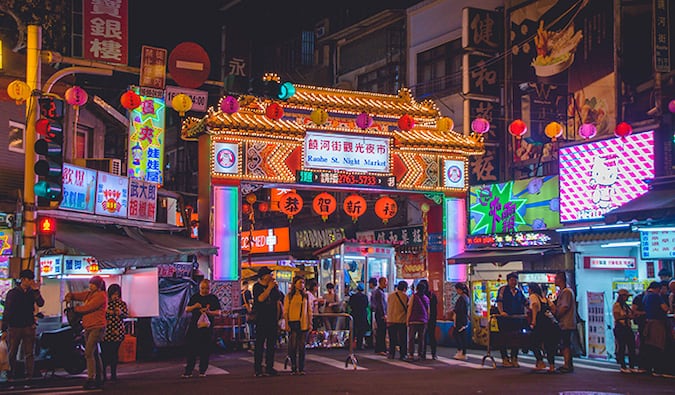
A busy market at night in TaiwanA busy market at night in Taiwan
The national pastime in Taiwan is eating. Taiwanese, both adults and children, are very work and study oriented, so their lifestyles demand healthy food that is available on the go. Moreover, there is always an abundance of fruits and vegetables, so visiting a local market can be a delight when you find out how cheap it is to eat fresh food.

As a result, Taiwan has become an epicurean’s playground. The food scene is an international smorgasbord of culinary delights, for every budget and almost every diet.

Night Markets
While there are five-star international restaurants of every variety throughout the country, the night markets are where the real gastronomes go. They promise to keep your belly full while your wallet remains relatively unscathed.

There are over 30 night markets in Taipei, New Taipei, and Keelung (and over 70 night markets across Taiwan). If you’re not sure which one to choose, visit this list of night markets in Taiwan and take your pick. My personal favorites are Shilin, Keelung, and Roahe Street in Taipei.

Here are a few things you should try:

  • Xiao long bao, also known as soup dumplings, a favorite staple food here. They are made out of a thin pastry folded into a type of bag that is then stuffed full with a meat-and-vegetable mixture and a tiny amount of soup, then garnished with raw ginger and soy sauce. Biting into one of these is a flavor explosion in your mouth. Plenty of street vendors at night markets offer fresh xiao long bao for around $2 USD for a basket of 10-12. There is really no reason not to try them. I’ve yet to meet a visitor to Taiwan who hasn’t loved their xiao long bao experience. I promise you will not be disappointed.
  • Oyster vermicelli
  • Oyster omelets
  • Beef noodle soup
  • Deep-fried chicken
  • Tian bu la (a type of fish cake fried with coriander with a dash of pepper and spice)
  • Sweet Taiwanese sausage or BBQ on a stick
  • Stinky tofu
  • “Coffin bread” (a tasty bread bowl shaped like a coffin)
  • Pig’s blood cake (It’s made from pig’s blood, sticky rice and soy broth and tastes much better than it sounds, I promise!)
  • Shaved ice
  • Zhen zhu nai cha (Taiwanese bubble tea)
  • Taiwan Beer (it’s the most popular local beer)

No matter what you decide on, you’re sure to have a great meal at a low cost while experiencing Taiwanese culture at its very best. You’ll be amazed at what you can buy for dinner for just $5 USD! You’ll definitely find some things that you hate, but you’ll also find things that you’ll love. It’s all part of the experience, right?

2. Visit a Taiwanese Teahouse
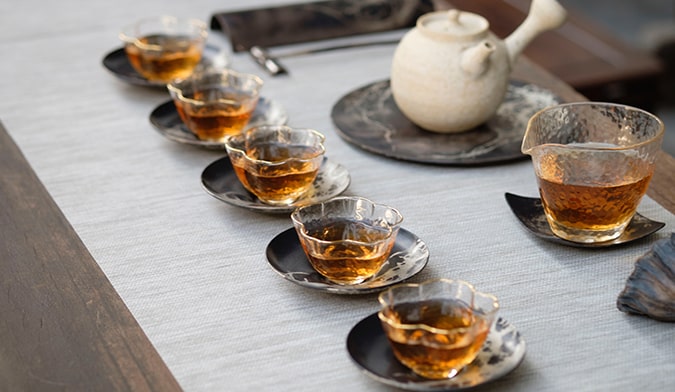
a tea house in Taiwan with a teapot ready to pour into cupsa tea house in Taiwan with a teapot ready to pour into cups

Tea culture in Taiwan is wonderful, and there are many options for tea lovers.

  • Maokong Gondola – This gondola will whisk you four kilometers to a mountain peak in a glass-bottomed cable car, from which you can view the tea plantations built into the side of the mountain as you zoom up. You can catch it at the Taipei Zoo MRT station; a ride costs 120 NT ($4 USD) each way. Once you’re at the top, there are several winding paths for a pleasant mountaintop stroll and a great selection of teahouses to choose from when you’re ready to enjoy a cup of fresh mountain tea.
  • Jiufen – If you’re heading out of Taipei, Jiufen is one of Taiwan’s most popular tourist destinations, owing to its appearance in the Studio Ghibli film Spirited Away. This seaside mountain village offers some terrific shopping opportunities, as well as all the different kinds of foods you see in the movie. It’s one of my favorite places, because it is also home to some beautiful teahouses in the most glorious setting. Imagine sitting at the top of a mountain, looking out over the ocean in the comfort of a traditional tea house. It is truly a magical experience, especially if you can get there for sunset. Go on a weekday to avoid the large weekend crowds.
  • Jwu Jiu Teahouse – If you make it as far south as Chiayi, be sure to find Jwu Jiu Teahouse, a hidden gem that is like taking a step back into the past. Jwu Jiu is a traditional wooden teahouse set above enormous stone ponds filled with hundreds of giant, brightly colored koi. Feed the fish while sipping on your tea, and enjoy some traditional dim sum in the loveliest setting you’ve ever seen. The grounds belong to a local family, and the teahouse uses a well that is over a century old, in which the water still runs deep and pure. The owner has kept most of the original structures and bricks, plus a hundred-year-old Osmanthus tree, which is associated with many traditions in China and Taiwan. If you’re a history buff, you’ll enjoy the teahouse’s long history, displayed with pride and obvious care.

3. Check out the Northern Coastline
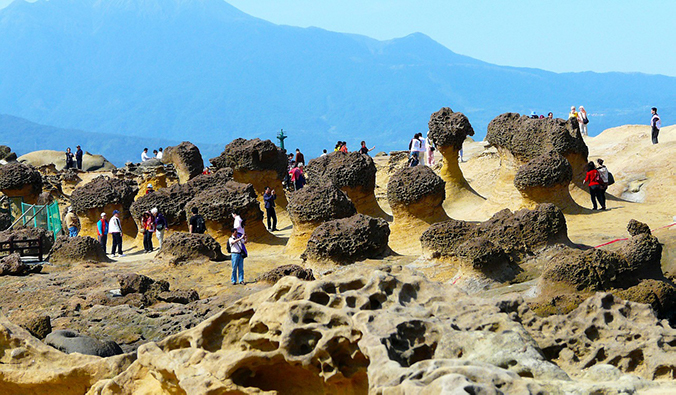
the lunar-like landscape of Yehliu Geopark, Taiwanthe lunar-like landscape of Yehliu Geopark, Taiwan
Head to the coast for some incredible lunar-like landscapes at Yehliu Geopark. There are some unique, otherworldly rock formations, including one that looks like Queen Elizabeth (though it took over 4,000 years to form) that are a popular tourist attraction. Try to get there early to beat the crowds.

4. Hit the Beaches

beautiful Taiwan coastline in the northbeautiful Taiwan coastline in the north
The beaches of Kenting on the southern tip of the island offer fun in the sun. White Sand Bay is the most popular and a great place to soak up the sun, swim, snorkel, or even go diving (just keep an eye out for jellyfish!). Other great beaches are South Bay and Little Bali Bay.

5. Soak in the Hot Springs
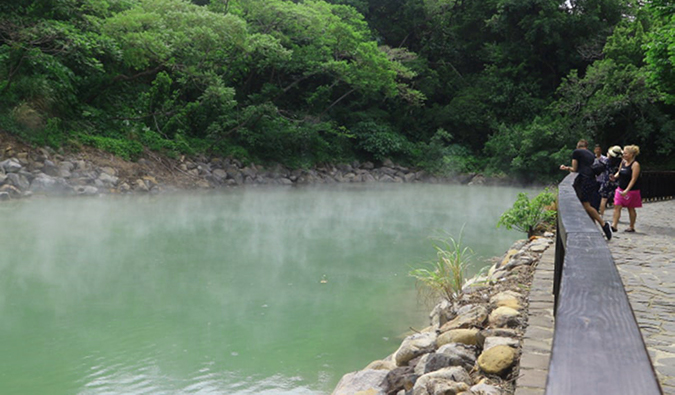
the Beitou Hot Springs just outside Taipei, Taiwanthe Beitou Hot Springs just outside Taipei, Taiwan
Taipei has its very own active volcano in its backyard, and because of the volcanic activity in the area, Beitou Hot Springs enjoys a steady stream of visitors and locals who love to bathe in its healthy waters. Prices start around 40 NT ($1.30 USD) per person for a soak in the hot springs, making it a very affordable choice for anyone looking for some R&R.

6. Go Island Hopping
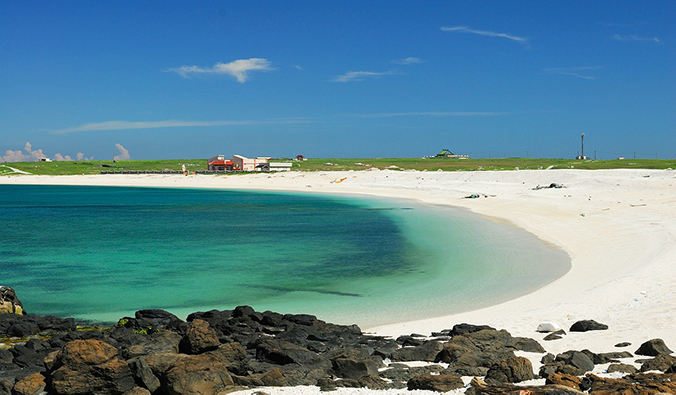
a beautiful sandy beach on Penghu Island, Taiwana beautiful sandy beach on Penghu Island, Taiwan
The beautiful islands of Penghu just off Taiwan’s western coastline will delight your sense of wanderlust and are especially well known for their golden beaches. This island archipelago has islands that are all distinct.

Boats will drop you off at one island for a few hours and then take you to the next one, so you can literally go from snorkeling to observing sea turtles to wandering through traditional aboriginal villages made out of coral in a single day.

7. See Old Taiwan
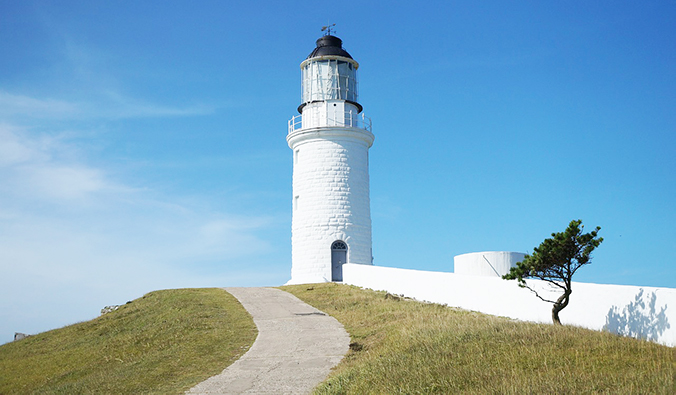
a lighthouse on Matsu Island, Taiwana lighthouse on Matsu Island, Taiwan
Two groups of islands that make up the Kinmen Archipelago off the west coast of Taiwan, just a couple miles from mainland China — and they are old Taiwan at its best. Here you’ll be able to see some traditional architecture, and there are also insightful museums that highlight the ongoing tensions between the People’s Republic and Taiwan.

8. Get Off the Beaten Track on Orchid Island and Green Island

getting off the beaten path on the rugged Orchid Island, Taiwangetting off the beaten path on the rugged Orchid Island, Taiwan
Located just off the southeastern coast, these lush islands are a treat to visit. Here you’ll find hiking, swimming, diving, and amazing hot springs. You can also get further off the beaten path and have an adventure by renting a scooter to traveling around the islands yourself!

9. Explore the Green Mountains
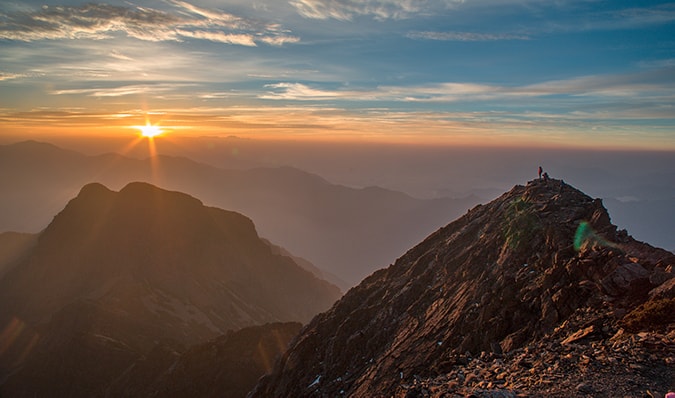
the view from Jade Mountain, Taiwanthe view from Jade Mountain, Taiwan
Grab a scooter and head up into the green mountains, which extend over five ranges the length of the island. If you want to stretch your legs, climb to the summit of beautiful Jade Mountain and watch the sunrise; this beautiful peak is almost 4,000 meters above sea level, making Taiwan the world’s fourth-highest island.

10. Visit Wuling Peak on Hehuan Mountain
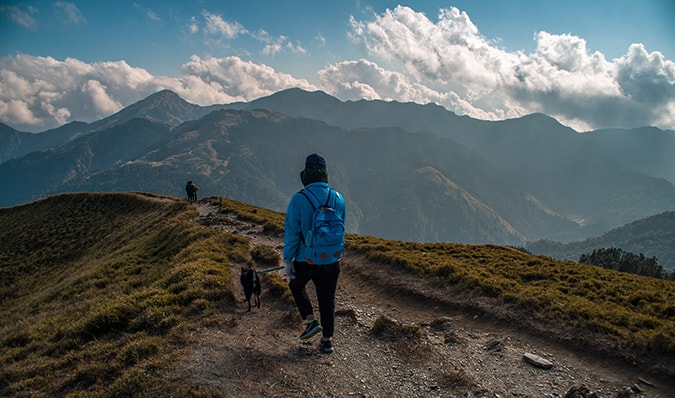
hiking on Hehuan Mountain, Taiwanhiking on Hehuan Mountain, Taiwan
If you’re still craving some climbing and hiking, head to Wuling Peak on Hehuan Mountain, around 3,275 meters above sea level, making it another good hike for anyone looking to spend more time outdoors. But what really makes this place special is that the peak is so high, you can look down into a sea of clouds below!

11. Go Hiking in Taroko National Park
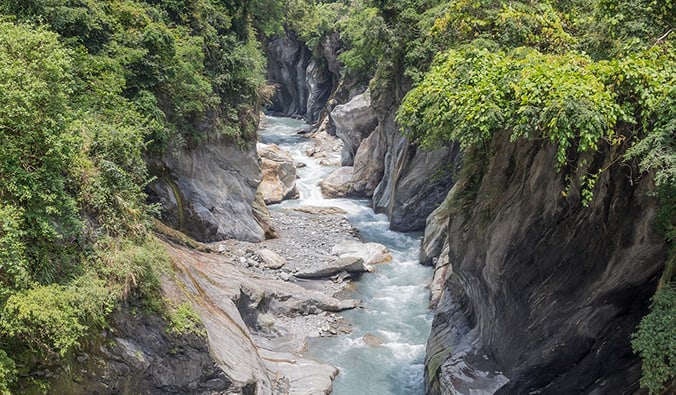
Taroko Gorge, TaiwanTaroko Gorge, Taiwan
Ready for another city break? This national park offers visitors a chance to hike through mountainous terrain and gorges, and you can even stop to dip your feet in swiftly flowing mountain rivers. Covering just under 100,000 hectares, it’s one of only nine national parks in Taiwan. Admission is free.

12. Head East
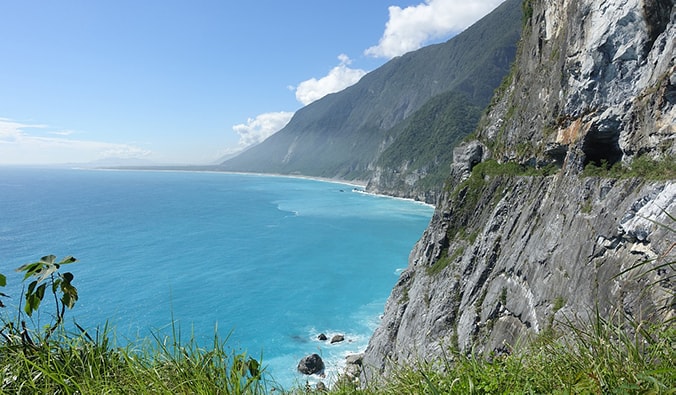
some of Taiwan's beautiful eastern coastline with tall cliffssome of Taiwan's beautiful eastern coastline with tall cliffs
To really enjoy Taiwan’s majestic beauty, don’t forget Taiwan’s eastern coastline. The east coast highway has some of the most dramatic coastal scenery in the world, from plunging sea cliffs and splashing surf to beaches, nature reserves, and rural towns a world away from the big city.

13. Witness Some Chaos
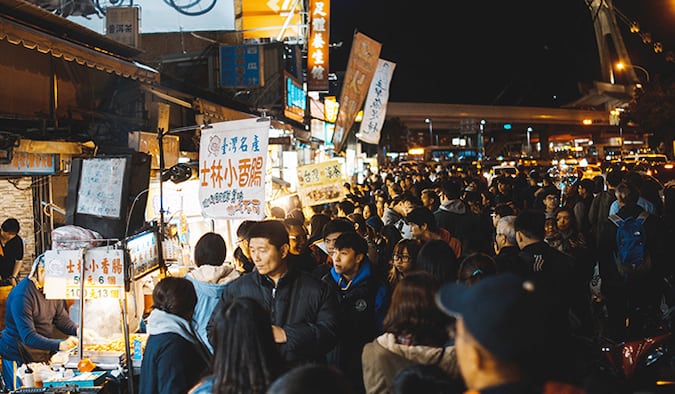
the busy food markets of Taiwanthe busy food markets of Taiwan
Check out the feeding frenzy of the markets in Taipei, or enjoy a stroll around cool Ximending, the gay district and Taipei’s answer to Tokyo’s Shibuya. Ximending boasts a massive outdoor plaza behind the Red House (a well-known cultural landmark) and a pedestrian shopping zone filled with the latest fashion trends, coffee shops, restaurants, and local artisans.

Give yourself bonus points for checking out all the super cool graffiti; you won’t find it on the main thoroughfares, but if you venture onto some of the smaller side streets, you’ll soon find yourself in world of brightly decorated alleys and lanes.

14. See Tianhou Temple

Tianhou Temple, Taiwan; photo by Wayne Hsieh (@whsieh78)Tianhou Temple, Taiwan; photo by Wayne Hsieh (@whsieh78)
While you’re in Ximending, it’s worth stopping by one of the oldest temples in the city, Tianhou (also known as the Ximending Mazu Temple, after the in-house deity Mazu, goddess of the sea). Around since 1746, it’s one of three major temples in Taiwan from the Qing period. It’s located on a main thoroughfare — but it’s very easy to miss the entrance.

Stepping through the entrance to this beautiful Taoist temple filled with mythological creatures, smoky incense, lucky goldfish, and people paying respect to the gods is truly a surreal experience. You’d never know this quiet oasis is in one of the busiest areas of Taipei!

15. Explore Fo Guang Shan Monastery

Fo Guang Shan Monastery, TaiwanFo Guang Shan Monastery, Taiwan
If you have your own ride in Kaohsiung, I strongly encourage you to stop by Fo Guang Shan Monastery and pay homage to the monks that live there. An ultra-Zen monastery open to the public, the complex is massive and stunning, leading to the Great Path of Buddhahood, a broad pathway flanked by eight identical pagodas.

You can explore each as you walk your way up to the Big Buddha, the highest seated bronze Buddha in the world. I’ve been to many temples and monasteries in my lifetime, but this one takes the cake.

16. Visit a Taiwanese Aboriginal Village
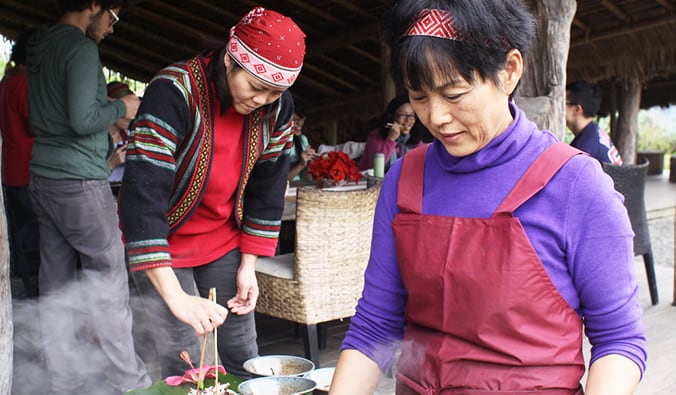
locals making food at a Taiwanese Aboriginal villagelocals making food at a Taiwanese Aboriginal village
There are many knowledgeable local guides that can introduce you to the aboriginal way of life in Taiwan. The Formosa Aboriginal Culture Village near Sun Moon Lake is the most popular destination to learn more, but it’s certainly not the only one — there are lots of villages to choose from.

17. Take Part in the Pingxi Lantern Festival
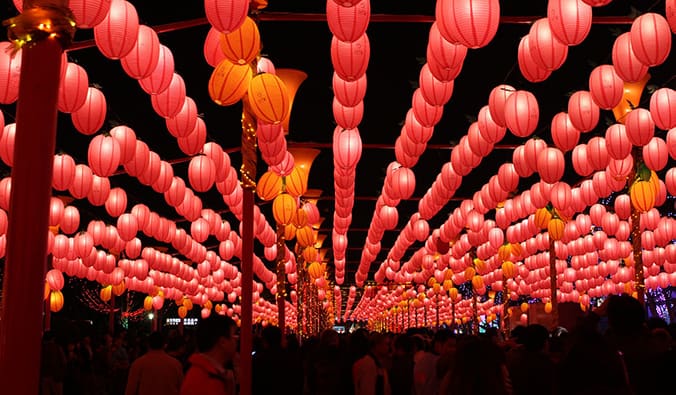
red overhanging lanterns at the Taiwan Pingxi Lantern Festivalred overhanging lanterns at the Taiwan Pingxi Lantern Festival
One of the coolest events in Taiwan, the Pingxi Lantern Festival involves releasing hundreds of paper lanterns into the sky. (Many newlyweds also include this meaningful tradition as a part of their wedding celebration.) If you don’t want to brave the crowds, you can easily purchase a lantern and light one on any of Taiwan’s beaches.

Taiwan is very environmentally friendly, so make sure you go with the eco-friendly paper lantern options that disintegrate, leaving no residue, and don’t cause fires. The company My Taiwan Tour also currently offers biodegradable paper lantern tours in Shifen.

***

There are many things about Taiwan that make it an incredible place to live; it’s easy to take some of those things for granted once you’ve been here for a while. I frequently hear that people think Taiwan is very Westernized, and while I agree that it is to some extent, there are still plenty of authentic Taiwanese experiences to be had!

Taiwan is and continues to be an unexpected travel destination that continues to delight visitors to this day. There is no place like it!

Canadian expat Carrie Kellenberger has been living in Asia since 2003. She moved to Taiwan in 2006 and became a permanent resident in 2012. She loves entertaining guests and travelers to Taiwan. You can read about her adventures and life there at her blog, My Several Worlds.

Book Your Trip to Taiwan: Logistical Tips and Tricks

Book Your Flight
Find a cheap flight by using Skyscanner or Momondo. They are my two favorite search engines because they search websites and airlines around the globe so you always know no stone is left unturned.

Book Your Accommodation
You can book your hostel with Hostelworld. If you want to stay elsewhere, use Booking.com as they consistently return the cheapest rates for guesthouses and cheap hotels. I use them all the time. My favorite places to stay in Taipei are:

  • Formosa 101 – This hostel is located right near the Taipei Tower and the Tonghua Night Market. They offer free breakfast and have a laid back lounge for relaxing.
  • Meander Taipei – The staff here is really helpful and the beds are comfy. They have free breakfast as well as other daily activities available.

Don’t Forget Travel Insurance
Travel insurance will protect you against illness, injury, theft, and cancellations. It’s comprehensive protection in case anything goes wrong. I never go on a trip without it as I’ve had to use it many times in the past. I’ve been using World Nomads for ten years. My favorite companies that offer the best service and value are:

  • World Nomads (for everyone below 70)
  • Insure My Trip (for those over 70)

Looking for the best companies to save money with?
Check out my resource page for the best companies to use when you travel! I list all the ones I use to save money when I travel – and I think will help you too!

Photo credits: 9 – David Hsu, 15 – Yi Chen, 16 – Huicheng1967

2019年8月2日星期五

How to Have (Or Not Have) SEX in Hostels (2019 UPDATE)

backpacking couple kissing near architecture in Europe on vacation

backpacking couple kissing near architecture in Europe on vacation
Updated: 12/20/2018 | December 20th, 2018

12/20/2018 | December 20th, 2018

There you are. Sitting across from some foreign hottie in your hostel. You’re staring deeply into each other’s eyes when you realize you are both conveying the same thought: “Let’s have sex.”

No one wants to spend a year traveling around the world and not come back with at least one story of overseas romance. Magical nights spent in exotic cities, two souls exploring the world together. Or at least one drunken night in that hostel in Europe.

Kindred spirits abound on the travel trail, and people are constantly starting and ending relationships – sometimes in the same day. So there you are, in that hostel with your new romance – what do you do? Where will you go? Well, here are some do’s and don’ts for having sex in a hostel:

DO head to the bathroom.
This is a perfect place to do the nasty. You can lock the door, and the shower makes for easy cleanup. It’s also less likely someone will come in and bother you here than in a dorm room.

DON’T have sex in the common room.
After a long day of sightseeing, you don’t want to come back, sit down on the couch, and think, “Ewww…why is this couch sticky?” Do us all a favor and head somewhere you won’t leave a mark…at least not one people will sit in. Try the closet where the hostel keeps cleaning supplies. No one will bother you there. I’ve walked in on people in the common room and just think, “Gross.” Plus, people hang out, eat, and drink in the common room all day. It’s probably not that clean to begin with.

girl in the middle of two backpacking sexy couples in love at a hostel

girl in the middle of two backpacking sexy couples in love at a hostel

DO head to the roof.
Tons of awesome hostels have rooftop terraces, and many are kept unlocked. No one is going to bother you (unless they get the same idea – maybe “the more the merrier” is a philosophy you take with you all the time?). Bump uglies under the stars all night long. It will be the most romantic time you have in a hostel.

DON’T have sex on the top bunk.
You’ll shake the bed. It will creak. You’ll wake everyone up, especially your bunkmate. It’s just rude – there are other places to go. Don’t be that guy or girl!

DO drape sheets over your bed. 
I can’t count the number of times I’ve seen sheets hanging over the bottom bunk in a dorm room. Couples think they are being coy, but we all know what is going on behind the sheets. However, your dormmates will appreciate when you hang a sheet around the bed because no one wants to see your butt bouncing up and down like a teenager thinking his parents aren’t home.

DON’T have sex in the kitchen. 
Seriously. I mean it. People eat there. The only white sauce I want on my pasta is made out of cheese. Hostel kitchens are dirty enough; there’s no need to make them dirtier. Additionally, there are people in a kitchen 24 hours a day so there’s little chance you’ll have privacy. Don’t have sex in the kitchen. Think of it as the hostel’s champagne room. There is no sex in the champagne room.

DO wait until people go to bed. 
If you wait until late at night, there’s less of a chance that people will hear you have sex in your dorm. Okay, someone will probably hear you. They might even watch; you never know. But if you wait until your dormmates put in earplugs and fall into a comfy drunk sleep, the chances of you waking someone are pretty low. Unless, of course, you’re a screamer. Then there’s no hope.

loving black and white photo of backpackers kissing at the transportation hub while traveling

loving black and white photo of backpackers kissing at the transportation hub while traveling

DON’T do it in the evening. 
This is the WORST time to have sex. People are coming in from a day of sightseeing. They’re eating dinner. Getting ready to go out. Posting pictures on Instagram. The hostel is bursting with life in the early evening. Bottom line: Unless you want to show people your bottom and possibly get kicked out in the process, wait a few hours until everyone goes out for the night (see tip below).

DO wait until people go out for the evening. When nighttime rolls around and everyone goes out to socialize, there’s no one around to bother you and your special someone while you play a quiet game of hide the sausage.

DON’T have sex in the morning. 
Everyone is getting up or sleeping off their hangovers. The last thing they want to hear is “Ohhh I’m almost there” or, more likely, “I usually last a little longer.” Waking people up by getting jiggy with it is a sure-fire way to leave a hostel with no friends. Except for that creepy guy who wouldn’t stop staring.

DO get it on in the laundry room.
It will be empty, especially at night, so you’ll have your own private space. Put a few coins in the machine for some extra fun.

DON’T do it in a small room. 
If you are in a 24-person dorm, it will be easy to get away with doing it. Most people aren’t going to realize who is doing what if you’re in a huge dorm, but in a small room, it’s easy to annoy your roommates. People will figure it out, you’ll keep them up, and you’ll make enemies. I’ve stayed in 40-bed dorms where it’s hard to hear anything over the 10 people snoring like freight trains, but in that 6-bed dorm? You know who is doing what!

DO get your own room! 
I know you are traveling on a budget and a private room is expensive, but when two of you split the cost of a room, it’s not so bad. For a few extra dollars a night, you and your lover can have complete privacy. You can do it until you are blue in the face without having to worry about getting caught.

DON’T forget to wear a condom. 
Because photos and memories are the only thing you want to bring home from your holiday.

So remember, if you are going to have sex in a hostel, make sure you have sex the right way – without bothering the rest of the hostel. No one wants to see your ass. It’s not pretty. In fact, when was the last time you got a tan? It’s looking a little white. I’ve seen some crazy stuff in hostels, but seeing you having sex is something no one wants to see!

Be a courteous hostel guest!

Book Your Trip: Logistical Tips and Tricks

Book Your Flight
Find a cheap flight by using Skyscanner or Momondo. They are my two favorite search engines because they search websites and airlines around the globe so you always know no stone is left unturned.

Book Your Accommodation
You can book your hostel with Hostelworld. If you want to stay elsewhere, use Booking.com as they consistently return the cheapest rates for guesthouses and cheap hotels. I use them all the time.

Don’t Forget Travel Insurance
Travel insurance will protect you against illness, injury, theft, and cancellations. It’s comprehensive protection in case anything goes wrong. I never go on a trip without it as I’ve had to use it many times in the past. I’ve been using World Nomads for ten years. My favorite companies that offer the best service and value are:

  • World Nomads (for everyone below 70)
  • Insure My Trip (for those over 70)

Looking for the best companies to save money with?
Check out my resource page for the best companies to use when you travel! I list all the ones I use to save money when I travel – and I think will help you too!

Is Colombia Safe to Visit? My first hand experience! (Updated 2019)

A colorful narrow street in ColombiaA colorful narrow street in Colombia
Posted: 6/22/2019 | June 22nd, 2019

Colombia is one of the most popular countries in South America for backpackers and travelers. In 2017 (the last year there were figures), it saw over three million visitors — three times as many as there were 10 years ago!

Over the past few decades, Colombia has been working hard to dispel the violent image it earned thanks to the drug cartels that once ravaged the country.

While Colombia still isn’t perfect, it’s come a long way since our parents’ generation.

Violent crimes that were once common here, such as murder and kidnapping, are no longer everyday concerns for travelers. Kidnapping has declined 92% and homicides are down by 50% over the past two decades.

Slowly but surely, conditions in Colombia are improving for locals and tourists alike.

But a lot of people still ask me: is Colombia is safe?


My Experience in Colombia

Before I went to Colombia, I’d heard countless stories of petty theft. While there, I heard even more. A friend of mine had been robbed three times, the last time at gunpoint while on his way to meet me for dinner.

Locals and expats alike told me the same thing: the rumors of petty theft are true, but if you keep your wits about you, follow the rules, and don’t flash your valuables, you’ll be OK.

There’s even a local expression about it: “No dar papaya” (Don’t give papaya). Essentially, it means that you shouldn’t have something “sweet” out in the open (a phone, computer, watch, etc.) that would make you a target. Keep your valuables hidden, don’t wander around places you shouldn’t at night, don’t flash money around, avoid coming out of nightlife spots alone at night, etc. Simply put: don’t put yourself in a position where people can take advantage of you.

I heeded such advice. I didn’t wear headphones in public. I didn’t take my phone out unless I was in a group or a restaurant, or completely sure no one else was around. I took just enough money with me for the day when I left my hostel. I warned friends about wearing flashy jewelry or watches when they visited.

But the longer you are somewhere, the more complacent you get.

When you see locals on their phones in crowded areas, tourists toting thousand-dollar cameras, and kids wearing Airpods and Apple Watches, you begin to think, “OK, during the day, maybe it’s not so bad.”

Suddenly, you step out of a café with your phone out without even thinking about it.

You’re giving papaya.

And someone wants to take it.

Which is how I ended up getting mugged and knifed. (I’m OK.)

This was also just a matter of being unlucky and not specific to Colombia. A wrong-time-wrong-place situation. It could have happened to me anywhere where I didn’t follow the safety rules that help you minimize risk.

The experience reminded me of why you can’t get complacent. I gave papaya. I shouldn’t have had my phone out. It didn’t matter the time of day. That’s the rule in Colombia. Keep your valuables hidden. (Especially in Bogotá, which does have a higher rate of petty crime than elsewhere in the country.) I didn’t follow the advice.

And I got unlucky because of it. I’d been having my phone out too often and, with each non-incident, I grew more and more relaxed. I kept dropping my guard.

What happened was unlucky, but it didn’t need to happen if I had followed the rules.

This is why people warned me to be careful.

So, if you follow the rules, you’re unlikely to have a problem. All those incidents I talked about earlier? All involved people breaking the ironclad “no dar papaya” rule and either having something valuable out or walking alone late at night in areas where they shouldn’t have.

I’m not going to let this freak incident change my view of such an amazing country. I’d go back to Colombia the same way I’d get in a car after a car accident. In fact, I was terribly upset to leave. I was having an amazing time. I still love Bogotá. I still have plans to go back to Colombia.

Colombia is amazing.

Learn from my mistake. Not only for when you visit Colombia but when you travel in general.
 

10 Safety Tips for Colombia

You can’t get complacent in Colombia. Once you do, bad things happen. You have to stay vigilant. To help you stay safe during your trip, here are a few tips you’ll want to keep in mind as you travel around the country:

1. Stay somewhere with 24-hour security – You always want someone around in case you need assistance. Most hostels and hotels have security cameras or guards. If you don’t feel safe somewhere, don’t hesitate to move on. This way you always have someone to talk to in case something goes wrong.

2. Don’t flash your belongings while you’re out and about – Keep your phone out of sight, and don’t wear any jewelry or watches. If you need to use your phone, do it inside and not out on the street. This is where people get in the most trouble. This is how I got into trouble. Put everything away so you don’t stand out.

3. Don’t travel alone at night – Try to go out with other travelers if you’re going out at night. If you do plan to go out alone or party late, be sure to take an Uber home or have someone call you a cab. Don’t walk alone really late at night.

4. Learn some Spanish – Even just a few phrases can help you in an emergency. Download Spanish on Google Translator so you have it offline as well, just in case.

5. Download an offline map of the city – Having a map will be helpful in case you get lost and need to guide yourself (or a taxi driver) back to your accommodation. If you use your phone at night, be sure to not use it out in the streets.

6. Don’t do drugs – The drugs cartels have crippled this country. Don’t support them by buying drugs. Locals don’t like it because drugs have so devasted the country and doing it just further cripples the country. It’s really disrespectful. Additionally, getting involved with drugs here increases your chances of getting into trouble. Also, doing drugs here is illegal, and you don’t want to end up in a Colombian prison.

7. Keep your valuables separate – Never carry all of them together. When you’re going out for the day, leave some credit cards and cash in locked in your accommodation. That way, if you lose your wallet, you’ll still have cash and cards back at your hostel. Also keep some emergency funds in your main backpack too, just in case.

8. If the worst happens, just give the attacker your stuff – Handing over your things is much better than risking the alternative (trust me). If you have travel insurance, you’ll be able to get reimbursed (just be sure to save all of your receipts).

9 . Download the Prey app to your phone and laptop – If either device gets stolen, for a small fee you’ll be able to track it and remotely turn on your camera to photograph the thief (you can also wipe the data and message the thief too). The app is free to download and only costs $5 USD for additional support should you get robbed.

10. Buy travel insurance – If something does go wrong, you want to be sure you’re covered and someone has your back. Travel insurance can help you find medical treatment and give you money to buy replacements for what was stolen. It’s always better to be safe than sorry, especially in a country where petty crime is still a problem.


So, is Colombia Safe for Solo Travelers?

Colombia is safe for solo travelers. While petty crime is still a problem, as long as you don’t flaunt your valuables, you’ll likely not run into any problems. When you go out, only take what you need for the day and leave your other valuables in your hostel or hotel room.

If you’re not feeling comfortable, try to meet other travelers so you can explore together. That way you’ll never be alone and will avoid being a target for pickpockets and petty criminals.

At night, make sure you’re never traveling alone and that you have your ride home planned in advance. Don’t get into sketchy cabs. Avoid wandering around non-touristy areas at night and alone.

I never felt really unsafe in the country during the day or in public places. You’ll see locals with phones out and, generally, going about their life. It’s really at night that you have to be careful.
 

Is Colombia Safe for Solo Female Travelers?

While solo female travelers will want to take some extra precautions in Colombia, the country should definitely still be under consideration.

Whenever possible, avoid traveling alone — especially at night or in areas where there are not many people. Don’t flaunt any valuables, and avoid taking taxis alone at night. Always have a downloaded map and translator so you can find your way home or ask for help if you need it.

By taking some precautions and planning accordingly, solo female travelers will be able to have a rewarding time traveling Colombia. Just make sure to follow the advice and tips above!

Here are a couple of helpful posts on safety written by our solo female travel experts:


Is it Safe to Take a Taxi in Colombia?

Taxis are safe here, but always make sure you call your taxi in advance. Never get into a random vehicle. Even if it looks like a taxi, it might not be one. It’s always better to play it safe.

Get your hostel or accommodation to call a cab for you, or download a taxi app (Uber is in Medellín, Cali, and Bogotá) so you can order your own. Avoid taking taxis at night as well (especially as a solo female traveler).
 

Is the Food Safe in Colombia?

The food in Colombia is quite safe. Just make sure to avoid any food that’s been sitting out in the sun all day. Look for places with lots of patrons — that’s how you can tell the food is fresh and delicious.

Also, make sure any fruit you eat has a peel to avoid it getting contaminated.

If you’re a vegetarian or have other dietary concerns, you might be hard pressed to find food here, as most dishes are meat-based. Learn some basic phrases (or download Google Translate) to help you ask questions and find foods suitable for your diet.

Lastly, always wash your hands before you eat. That’s the best way to avoid getting sick!
 

Can You Drink the Tap Water in Colombia?

While improvements in water treatment are coming along, you can’t really drink the water outside of Bogotá and Medellín.

I’d suggest you travel with a Lifestraw or Steripen so you can purify water no matter where you are. That will help you save money and reduce your reliance on single-use plastic. Double win!
 

Should You Visit Colombia?

So, is Colombia safe?

Yes.

While petty theft is a growing concern, the country has so much to offer the intrepid traveler. There is amazing nature, vibrant cities, a fun nightlife, and a growing community of entrepreneurs and digital nomads who call Colombia home.

It’s cheap and easy to navigate, and as long as you follow your instincts and use common sense, you will avoid trouble.

Even if you’re a solo female traveler, Colombia still has a lot to offer.

So, while my personal experience in Colombia didn’t end well, I am definitely planning on going back.

Because it’s just too amazing a place not to visit.

Just be sure to get travel insurance just in case something goes wrong. The past is not prologue and you always want to play it safe. Travel insurance was there when I lost my bag, broke my camera, and got knifed in Colombia. I never expected those things to happen and was glad I had insurance! You can use the widget below to look up the travel insurance policy that is right for you (or just click here to go to their website directly):


Book Your Trip to Colombia: Logistical Tips and Tricks

Book Your Flight
Find a cheap flight by using Skyscanner or Momondo. They are my two favorite search engines because they search websites and airlines around the globe so you always know no stone is left unturned.

Book Your Accommodation
You can book your hostel with Hostelworld. If you want to stay somewhere other than a hostel, use Booking.com as they consistently return the cheapest rates for guesthouses and cheap hotels. I use them all the time.

Don’t Forget Travel Insurance
Travel insurance will protect you against illness, injury, theft, and cancellations. It’s comprehensive protection in case anything goes wrong. I never go on a trip without it as I’ve had to use it many times in the past. I’ve been using World Nomads for ten years. My favorite companies that offer the best service and value are:

  • World Nomads (for everyone below 70)
  • Insure My Trip (for those over 70)

Looking for the best companies to save money with?
Check out my resource page for the best companies to use when you travel! I list all the ones I use to save money when I travel – and I think will help you too!

Looking for more information on visiting Colombia?
Check out my in-depth destination guide to Colombia with more tips on what to see, do, costs, ways to save, and much, much more!

2019年8月1日星期四

Why Ari is My Favourite Bangkok Neighbourhood

Most visitors to Bangkok choose to stay in one of three neighbourhoods.

There’s the area Banglamphu around Khao San Road for the backpackers, Sukhumvit for the upmarket clubs and bars, and Silom for the business travellers.

One place that’s not found on the typical traveller’s itinerary is the neighbourhood of Ari. Located in north-central Bangkok, it’s away from the major tourist attractions and therefore the tourists. It’s a neighbourhood that’s popular with middle-class Thais and expats, and is known for its relaxed vibes and hipster cafe scene. It’s one of Bangkok’s hottest neighbourhoods, but still relatively undiscovered by visitors.

If you’re currently rolling your eyes and thinking to yourself, Oh look, Lauren’s found a hipster neighbourhood she likes, then believe me — I’m rolling my eyes right alongside you.

Street in Ari, BangkokStreet in Ari, Bangkok

Back in 2015, my friend Jodi invited me and Dave to eat with her in Bangkok. Now, if you’ve read Jodi’s site, you’ll know that she knows her street food, and so when she offers to introduce you to a neighbourhood’s food scene, you book your ticket.

That’s exactly what we did. And for the next seven days, we dutifully followed her to tiny restaurants that often served only a couple of dishes, with us having no idea what they even were. Jodi introduced me to pad pongali gai, a dry yellow curry containing egg, celery leaves, onions, mushrooms, chillies, and chicken, and I immediately declared it my favourite Thai dish of all time.

At that point, Ari was still fairly under-the-radar, but just at the point of developing into somewhere more hipster. There were cafes and dessert spots, and plenty of cool bars serving craft beer. There were a handful of tourists and expats wandering the streets but the vast majority of the local restaurants were void of foreigners.

Fab Cafe in Ari, BangkokFab Cafe in Ari, Bangkok

There was so much to love about this neighbourhood.

The neighbourhood was filled with gorgeous cafes, from Fab Cafe to Laliart Cafe to Porcupine Cafe to Aran Bicicletta, which had bicycles all over the wall.

Its location, away from the main tourist activities, meant that it was more calm than chaotic, and the eateries were filled with locals. The restaurant and bar scene was great, with cheap street food available at all times of the day, a fun night market to wander around, plenty of local options where you’d pay $1-$2 for dinner each night, and some great international options for whenever you have a craving for some tacos.

Despite not attracting many tourists, the main attractions in Bangkok were still somewhat accessible, as Ari is on the BTS Skytrain. Chatuchak Weekend Market is just a couple of minutes away from Ari, and Dave and I walked into Siam one evening to check out the over-the-top luxurious Enigma experience at Paragon Cineplex. Was it worth spending $120 on two tickets to see Black Panther? It almost was when you take into account that our seats were actually a comfortable double bed and our tickets included a meal, soft drink, a cocktail, popcorn, a massage, and a butler.

But, as you may have gathered from my already frequent mentions of the food, the restaurant scene is exactly why Ari is my favourite neighbourhood in Bangkok.

Something I’ve been wanting to add to my site is a more detailed look at the foods I eat when I travel. Sampling local food is the principle driving force behind my trips these days, and I know that I rarely write about it, aside from mentioning a meal that was truly life-changing. I hope that by sharing little round-up posts of my favourite meals in the cities I visit, you’ll be able to gain a greater insight into what it’s like to travel to a particular place.

I started doing this for Japan and I have a round-up from Borneo in the works, but for now, I’m focusing on Bangkok and sharing everything I ate while I was exploring the Ari neighbourhood. Enjoy!

Thai restaurant in Ari, BangkokThai restaurant in Ari, Bangkok

Pork and rice in Ari BangkokPork and rice in Ari Bangkok

Pork fried rice in BangkokPork fried rice in Bangkok

Thani Khao Mudaeng Knows Their Pork

If you want excellent pork, look no further than Thanee Khao Mudaeng — an iconic restaurant in Ari.

This small restaurant is absolutely jammed from breakfast until lunch, and their exceptional roast pork is the reason why. At just 50 THB ($1.50) for a plate of rice, pork belly, and a boiled egg, it offers exceptional value for money while also having some of the best pork I’ve eaten. I preferred the dish without the red sauce, as it was a little too sweet and rich for me, but either way — it’s totally worth visiting this place. The pork was so juicy, tender, and crispy!

There isn’t any English signage outside of the restaurant, so you’ll want to look out for the giant slabs of pork crackling dangling outside. If the tables are packed, you know you’re in the right place.

Street food night market in Ari, BangkokStreet food night market in Ari, Bangkok

There’s a Night Market for Street Food Eats

You can’t come to Bangkok and not delve into its famous street food scene, and you especially can’t ignore the night markets.

I was thrilled to discover that not only was the main road in Ari lined with street food all day every day, but that there was a bustling night market to wander around in the evenings. With an enormous array of options for around 40 THB ($1.20), this is a place to get the most out of those inexpensive prices and sample as many dishes as possible. It’s the exact opposite experience to pad thai-filled Khao San Road.

Khao soi in BangkokKhao soi in Bangkok

Thai soup with wontons in BangkokThai soup with wontons in Bangkok

Phan Zen Noodles: I Loved This Inventive Soup Place

Phan Zen may not have the most incredible soups I’ve ever tasted, but they were good and they offer a fun spin on their dishes. You get to build your own soup!

When you arrive, you’re handed a piece of paper that’s covered in checkboxes, and you work your way down, putting together your dream soup experience. You could choose your type of noodle, whether that’s a wide rice noodle, a flat egg noodle, or even a mung bean noodle.

Then it’s time to go for your three toppings, choosing between options like crispy pork belly, a soft boiled egg, steamed shredded chicken, fried wontons, and a seaweed-infused pork ball.

Next up: your broth! You can choose between stewed pork soup, tom yum with chilli paste, and a spicy sour soup.

As you can see from the photos above, Dave and I went for complete opposite options and ended up with two very different soups. Both of them were delicious, and the fun experience had us returning several times to see what other concoctions we could create!

Restaurants in Ari, BangkokRestaurants in Ari, Bangkok

Noodle soup in BangkokNoodle soup in Bangkok

Go to รสเด็ด for the Best Stewed Beef Noodle Soup

รสเด็ด means delicious in Thai, and this tiny restaurant only offers beef noodle soup for hungry customers.

Ordering here was one of those restaurant experiences in Thailand that I live for. Dave and wandered inside and, with no English menus, simply held up two fingers to ask for two of whatever it was they were serving — the only clue we had as to what it could be was a sign pinned to the wall that simply said “Beef”. Still, when restaurants only focus on one dish, that’s an excellent sign that the food is going to have been perfected.

It was delicious, and one of my favourite soups to have for lunch. The beef was tender, the meatballs were rich and full of flavour, and the broth was just the right amount of spicy. This place has a reputation for offering some of the best beef noodle soup in the city, and though I have nowhere else to compare it to, I can’t imagine anyone being disappointed by what’s on offer.

The portion size was a little small, but at 50 THB ($1.50) for a portion, you could easily order two bowls for yourself!

Khao soi in Ari, BangkokKhao soi in Ari, Bangkok

Ong Tong Khao Soi

If you love your spicy food and have spent any amount of time in northern Thailand, you’ve likely developed an obsession with khao soi — I know I did. It’s probably my favourite thing to eat in Thailand at the moment!

Khao soi is a Thai soup made with a mix of boiled egg noodles in the broth and crispy deep-fried egg noodles on top. The soup itself contains pickled mustard greens, shallots, lime, chillies, and coconut milk, and then you add in the meat or vegetable of your choice. I usually go for chicken, but the the mushroom and Northern Thai sausage options are excellent, too.

Ong Tong Khao Soi, in Ari, is a restaurant that’s dedicated to all things khao soi. And while I wouldn’t say it was quite as good as Khao Soi Nimman in Chiang Mai — my favourite khao soi restaurant — it was very close. The soup was creamy yet spicy, the fried noodles were perfectly crispy, and the chicken was so tender it fell off the bone.

I ate here several times while we were in Ari.

chicken cashew curry in Thailandchicken cashew curry in Thailand

Sao-Wari Society

Sao-Wari Society was just a couple of doors away from where we were staying, and we quickly became aware of it, as it was always packed during the lunchtime rush.

It wasn’t until our final morning in town that we managed to find a space, and then we discovered why it was always so popular with the locals.

Sao-Wari Society has a fairly standard menu, offering all of the Thai classics for between 70-100 THB ($2-3). I opted for the chicken cashew curry and it was pretty damn delicious. The sauce was tangy and spicy, the chicken tender, and the peppers and cashews added a crunchy texture to the meal. For such a low price — although you may have noticed that all of the prices are low in this post — I was seriously impressed with the quality of the food here.

cricket tacoscricket tacos

I Even Snacked on Cricket Tacos

If you’ve read Never Ending Footsteps over the past couple years, you’ll know I live for trying unusual foods. Take me to a restaurant with a menu filled with grasshoppers, brains, and chicken anus, and you’ll undoubtedly make my night.

When Valentine’s Day happened to roll around while we were in Bangkok, we decided to take a break from the local eats and treat ourselves to a meal at Mexican restaurant Tacochela. When we walked through the door and the staff told us there giving away free tacos for couples we were excited. When we discovered they were filled with fried crickets, we were overjoyed. So romantic! But seriously — for us, this was totally an added bonus.

I’d eaten crickets before — way back when I first started travelling — but at that time, I hadn’t been able to work past my mental barriers to fully chew and swallow them. Seven years later, I was barely giving them so much as a second glimpse.

Crickets are delicious! I had no idea. They added such a crunchy texture to the tacos, and made our night. Not only are crickets a great protein source, but they reduce inflammation and improve your gut bacteria, making them an excellent option if ever you see them on a menu. I know this is a tough sell!

Overall, though, Tacochela was expensive for Bangkok but excellent for tacos, and we appreciated their guacamole, fun taco flavours, and tasty margaritas. I would definitely recommend heading there if you’re craving Mexican food in Bangkok. Update: unfortunately, Tacochela has closed down!

Hipster street in Ari, BangkokHipster street in Ari, Bangkok

The first time I visited Bangkok, I was underwhelmed.

It came across as a crowded, chaotic capital city with little to offer but hassle. This uninformed opinion, of course, entirely my fault, as I rarely ventured away from the backpacker haunts of Khao San Road.

I knew there was more to Bangkok, and I suspected that if I just delved a little deeper, I’d fall in love with a city that has so much to offer. For a long time, though, I didn’t want to put in the effort. Bangkok was fine. I didn’t hate it; I didn’t love it; and I had little reason to spend more than a couple of days there during a layover. There were so many other cities — Saigon and Taipei to name just two — I’d rather visit over Bangkok.

It turned out that spending time in Ari was just what I needed to finally click with Bangkok and discover areas of it I loved. I enjoyed Ari’s laidback vibe, had so much fun cafe-hopping across the neighbourhood, and, as evidenced by this post, couldn’t get enough of the delicious cheap eats.

After spending a week in Ari earlier this year, I can see myself returning for sporadic week-long stints in the future, spending my days checking out new restaurants, relaxing in coffee shops, and sampling inventive cocktails at the hottest bar of the moment.

If you’ve been to Bangkok before but never really warmed to it, I’d recommend giving chilled-out Ari a chance when you next return.

My Tips for Visiting Ari

How to get there: Fortunately, Ari is on the Skytrain, so getting there is easy. If you’re arriving at Suvarnabhumi Airport, jump on the rail link to Praya Thai station — it leaves every 10 minutes, takes 25 minutes to get there, and costs 45 THB ($1.30). From Phaya Thai, take the BTS Skytrain to Ari. This leg of the route takes 10 minutes costs 26 THB ($0.80). Easy!

Where to stay: We stayed in a condo in Siamese Ratchakru, which we booked through Airbnb and paid $40 a night for (side note: you can grab $30 off your first booking with Airbnb by using this link!). Despite having a fairly odd room set-up, where the bed was inside a glass box, making it seem as though we were sleeping in a museum, I’d recommend staying there. We had a sofa and TV, powerful A/C, and a balcony with a decent view over the Bangkok Skyline. It was on the main road in Ari, but the sound-proofing was excellent, so the street noise didn’t bother us, and was within walking distance of all of the great restaurants.

If you’re on a budget, the Yard Hostel receives consistently amazing reviews and if I hadn’t been travelling with Dave, I would have 100% stayed there. It looks so cool!


Does Ari sound like your kind of neighbourhood?

Share this post:

Pinterest