显示标签为“help”的博文。显示所有博文

2019年8月2日星期五

So, I Got Stabbed While I Was in Colombia

A black and white photo of a quiet street in Bogota, ColombiaA black and white photo of a quiet street in Bogota, Colombia

Posted: 4/2/2019 | April 2nd, 2019

Editor’s Note: I wavered on writing about this for a long time since I didn’t want to put people off on Colombia or perpetuate the myth that danger lurks around every corner. As you can tell from my posts here, here, here, and here, I really love the country. I mean it’s awesome. (And there will be plenty more blog posts about how great it is.) But I blog about all my experiences – good or bad – and this story is a good lesson on travel safety, the importance of always following local advice, and what happens when you stop doing so.

“Are you OK?”

“Here. Have a seat.”

“Do you need some water?”

A growing crowd had gathered around me, all offering help in one form or another.

“No, no, no, I think I’ll be OK,” I said waving them off. “I’m just a little stunned.”

My arm and back throbbed while I tried to regain my composure. “I’m going to be really sore in the morning,” I thought.

“Come, come, come. We insist,” said one girl. She led me back onto the sidewalk where a security guard gave me his chair. I sat down.

“What’s your name? Here’s some water. Is there anyone we can call?”

“I’ll be fine. I’ll be fine,” I kept replying.

My arm throbbed. “Getting punched sucks,” I said to myself.

Regaining my composure, I slowly took off the jacket I was wearing. I was too sore for any quick movements anyways. I needed to see how bad the bruises were.

As I did so, gasps arose from the crowd.

My left arm and shoulder were dripping with blood. My shirt was soaked through.

“Shit,” I said as I realized what had happened. “I think I just got stabbed.”

***

There’s a perception that Colombia is unsafe, that despite the heyday of the drug wars being over, danger lurks around most corners and you have to be really careful here.

It’s not a completely unwarranted perception. Petty crime is very common. The 52-year civil war killed 220,000 people — although thankfully this number has drastically dropped since the 2016 peace agreement.

While you are unlikely to be blown up, randomly shot, kidnapped, or ransomed by guerrillas, you are very likely to get pickpocketed or mugged. There were over 200,000 armed robberies in Colombia last year. While violent crimes have been on the decline, petty crime and robbery has been on the upswing.

Before I went to Colombia, I’d heard countless stories of petty theft. While there, I heard even more. A friend of mine had been robbed three times, the last time at gunpoint while on his way to meet me for dinner. Locals and expats alike told me the same thing: the rumors of petty theft are true, but if you keep your wits about you, follow the rules, and don’t flash your valuables, you’ll be OK.

There’s even a local expression about it: “No dar papaya” (Don’t give papaya). Essentially, it means that you shouldn’t have something “sweet” out in the open (a phone, computer, watch, etc.) that would make you a target. Keep your valuables hidden, don’t wander around places you shouldn’t at night, don’t flash money around, avoid coming out of nightlife spots alone at night, etc. Simply put: Don’t put yourself in a position where people can take advantage of you.

I heeded such advice. I didn’t wear headphones in public. I didn’t take my phone out unless I was in a group or a restaurant, or completely sure no one else was around. I took just enough money for the day with me when I left my hostel. I warned friends about wearing flashy jewelry or watches when they visited.

But, the longer you are somewhere, the more you get complacent.

When you see locals on their phones in crowded areas, tourists toting thousand-dollar cameras, and kids wearing Airpods and Apple Watches, you begin to think, “OK, during the day, it’s not so bad.”

The more nothing happens to you, the more indifferent you get.

Suddenly, you step out of a cafe with your phone out without even thinking about it.

In your hands is papaya.

And someone wants to take it.

***

It was near sunset. I was on a busy street in La Candelaria, the main tourist area of Bogotá. The cafe I had been at was closing, so it was time to find somewhere new. I decided to head to a hostel to finish some work and take advantage of happy hour.

I’d been in Bogotá for a few days now, enjoying a city most people write off. There was a charm to it. Even in the tourist hotspot of La Candelaria, it didn’t feel as gringofied as Medellín. It felt the most authentic of all the big Colombian cities I had visited. I was loving it.

I exited the cafe with my phone out, finishing a text message. It had slipped my mind to put it away. It was still light outside, there were crowds around, and lots of security. After nearly six weeks in Colombia, I had grown complacent in situations like this.

“What’s really going to happen? I’ll be fine.”

Three steps out of the door, I felt someone brush up against me. At first, I thought it was someone running past me until I quickly realized that a guy was trying to take my phone out of my hand.

Fight or flight set in — and I fought.

“Get the fuck off me!” I shouted as I wrestled with him, keeping an iron grip on my phone. I tried pushing him away.

“Help, help, help!” I yelled into the air.

I remember distinctly the confused look on his face as if he had expected an easy mark. That the phone would slip out of my hand and he’d be gone before anyone could catch him.

Without a word, he started punching my left arm, and I continued to resist.

“Get off me! Help, help!”

We tussled in the street.

I kicked, I screamed, I blocked his punches.

The commotion caused people to run toward us.

Unable to dislodge the phone from my hand, the mugger turned and ran.

***

After people helped me sit down and the adrenaline wore off, I got lightheaded. My ears rang. I had trouble focusing for a few moments.

Blood was dripping through my soaked shirt.

“Fuck,” I said looking at my arm and shoulder.

I tried to compose myself.

Having grown up surrounded by doctors and nurses, I ran through a quick “how bad is this” checklist in my mind.

I made a fist. I could feel my fingers. I could move my arm. “OK, I probably don’t have nerve or muscle damage.”

I could breathe and was not coughing up blood. “Ok, I probably don’t have a punctured lung.”

I could still walk and feel my toes.

My light-headedness dissipated.

“OK, there’s probably not too much major damage,” I thought.

Words I didn’t understand were spoken in Spanish. A doctor arrived and helped clean and put pressure on my wounds. A young woman in the crowd who spoke English took my phone and voice-texted my only friend in Bogotá to let her know the situation.

As an ambulance would take too long, the police, who numbered about a dozen by now, loaded me onto the back of a truck and took me to a hospital, stopping traffic on the way like I was an honored dignitary.

Using Google Translate to communicate, the police checked me in at the hospital. They took down as much information as they could, showed me a picture of the attacker (yes, that’s him!), and called my friend to update her about where I was.

As I waited to be seen by the doctors, the owner of my hostel showed up. After having taken my address, the cops had phoned up the hostel to let them know what happened and she had rushed down.

The hospital staff saw me quickly. (I suspect being a stabbed gringo got me quicker attention.)

We went into one of the exam rooms. My shirt came off, they cleaned my arm and back, and assessed the damage.

I had five wounds: two on my left arm, two on my shoulder, and one on my back, small cuts that broke the skin, with two looking like they got into the muscle. If the knife had been longer, I would have been in serious trouble: one cut was right on my collar and another especially close to my spine.

When you think of the term “stabbing,” you think of a long blade, a single deep cut into the abdomen or back. You picture someone with a protruding knife being rolled into the hospital on a stretcher.

That was not the case for me. I had been, more colloquially correct, knifed.

Badly knifed.

But just knifed.

There was no blade protruding from my gut or back. There would be no surgery. No deep lacerations.

The wounds wouldn’t require any more than antibiotics, stitches, and time to heal. A lot of time. (How much time? This happened at the end of January and it took two months for the bruising to go down.)

I was stitched up, taken for an X-ray to make sure I didn’t have a punctured lung, and required to sit around for another six hours as they did a follow-up. My friend and hostel owner stayed a bit.

During that time, I booked a flight home. While my wounds weren’t severe and I could have stayed in Bogotá, I didn’t want to risk it. The hospital refused to give me antibiotics and, being a little suspicious of their stitching job, I wanted to get checked out back home while everything was still fresh. When I was leaving the hospital, I even had to ask them to cover my wounds. They were going to leave them exposed.

It’s better to be safe than sorry.

***

Looking back, would I have done anything differently?

It’s easy to say, “Why didn’t you just give him your phone?”

But it’s not as if he led with a weapon. Had he done so, I obviously would have surrendered the phone. This kid (and it turned out he was just a kid of about 17) just tried to grab it from my hand, and anyone’s natural instinct would be to pull back.

If someone stole your purse, took your computer while you were using it, or tried to grab your watch, your initial, primal reaction wouldn’t be, “Oh well!” It would be, “Hey, give me back my stuff!”

And if that stuff were still attached to your hand, you’d pull back, yell for help, and hope the mugger would go away. Especially when it’s still daytime and there are crowds around. You can’t always assume a mugger has a weapon.

Based on the information I had at the time, I don’t think I would have done anything differently. Nature just set in.

Things could have been a lot worse: The knife could have been longer. He could have had a gun. I could have turned the wrong way, and that small blade could have hit a major artery or my neck. The knife was so small that I didn’t even feel it during the attack. A longer blade might have caused me to recoil more and drop my phone. I don’t know. If he had been a better mugger, he would have kept running forward and I wouldn’t have been able to catch up as the forward motion made the phone leave my hand.

The permutations are endless.

This was also just a matter of being unlucky. A wrong time and wrong place situation. This could have happened to me anywhere. You can be in the wrong place and the wrong time in a million places and in a million situations.

Life is risk. You’re not in control of what happens to you the second you walk out the door. You think you are. You think you have a handle on the situation — but then you walk out of a café and get knifed. You get in a car that crashes or a helicopter that goes down, eat food that hospitalizes you, or, despite your best health efforts, drop dead from a heart attack.

Anything can happen to you at any time.

We make plans as if we are in control.

But we’re not in control of anything.

All we can do is control our reaction and responses.

I really like Bogotá. I really like Colombia. The food was delicious and the scenery breathtaking. Throughout my visit there, people were inquisitive, friendly, and happy.

And when this happened, I marveled at all the people who helped me, who stayed with me until the police came, the many police officers who assisted me in numerous ways, the doctors who attended to me, the hostel owner who became my translator, and my friend who drove an hour to be with me.

Everyone apologized. Everyone knew this was what Colombia is known for. They wanted to let me know this was not Colombia. I think they felt worse about the attack than I did.

But this experience reminded me of why you can’t get complacent. I gave papaya. I shouldn’t have had my phone out. When I left the cafe, I should have put it away. It didn’t matter the time of day. That’s the rule in Colombia. Keep your valuables hidden. Especially in Bogota, which does have a higher rate of petty crime than elsewhere in the country. I didn’t follow the advice.

And I got unlucky because of it. I’d been having my phone out too often and, with each non-incident, I grew more and more relaxed. I kept dropping my guard down more.

What happened was unlucky but it didn’t need to happen if I had followed the rules.

This is why people always warned me to be careful.

Because you never know. You’re fine until you aren’t.

That said, you’re still unlikely to have a problem. All those incidences I talked about? All involved people breaking the ironclad “No Dar Papaya” rule and either having something valuable our or walking alone late at night in areas they shouldn’t have. Don’t break the rule! This could have happened to me anywhere in the world where I didn’t follow the safety rules you’re supposed to that help you minimize risk.

But, also know, if you do get into trouble, Colombians will help you out. From my hostel owner to the cops to the people who sat with me when it happened to the random guy in the hospital who gave me chocolate, it turns out, you can always depend on the kindness of strangers. They made a harrowing experience a lot easier to deal with.

I’m not going to let this freak incident change my view of such an amazing country. I’d go back to Colombia the same way I’d get in a car after a car accident. In fact, I was terribly upset to leave. I was having an amazing time. I still love Bogota. I still have plans to go back to Colombia. I have more positive things to write about this.

Learn from my mistake. Not only for when you visit Colombia but when you travel in general.

You can’t get complacent. You can’t stop following the rules.

And still go to Colombia!

I’ll see you there.

***

A couple of other points:

While the doctors were nice and the stitching turned out to be great, I wouldn’t go to a public hospital in Colombia again. That was not a fun experience. It wasn’t super clean, they had patients in the hallways, they didn’t give me antibiotics or pain medicine or cover my wounds, and they wanted to send me home without a shirt (thanks to my hostel owner for bringing me an extra!). There were just some basic things I was shocked they overlooked.

This is a strong case for travel insurance! I’ve always said travel insurance is for unknowns because the past is not prologue. In my twelve years of travel, I was never mugged — until I was. Then, needing medical care and a last-minute flight home, I was glad I had insurance. I needed it bad. It could have been a lot worse than a $70 hospital bill and a flight back home, too: if I had required surgery or had to be admitted to the hospital, that bill would have been a lot more. Don’t leave home without travel insurance. You never, ever know when you might need it, and you’ll be glad you had it!

Here are some articles on travel insurance:

They did catch the kid who tried to mug me. There’s security everywhere in Bogotá. He made it one block before they caught him. My hostel owner tells me he is still in jail. He was only 17 too. I feel bad for him. There’s a lot of poverty in Bogotá. There’s a very stark income divide there. Assuming he’s not some middle-class punk, I can understand the conditions that led him to rob me. I hope his future gets brighter.

Book Your Trip to Colombia: Logistical Tips and Tricks

Book Your Flight
Find a cheap flight by using Skyscanner or Momondo. They are my two favorite search engines because they search websites and airlines around the globe so you always know no stone is left unturned.

Book Your Accommodation
You can book your hostel with Hostelworld. If you want to stay somewhere other than a hostel, use Booking.com as they consistently return the cheapest rates for guesthouses and cheap hotels. I use them all the time.

Don’t Forget Travel Insurance
Travel insurance will protect you against illness, injury, theft, and cancellations. It’s comprehensive protection in case anything goes wrong. I never go on a trip without it as I’ve had to use it many times in the past. I’ve been using World Nomads for ten years. My favorite companies that offer the best service and value are:

  • World Nomads (for everyone below 70)
  • Insure My Trip (for those over 70)

Looking for the best companies to save money with?
Check out my resource page for the best companies to use when you travel! I list all the ones I use to save money when I travel – and I think will help you too!

Looking for more information on visiting Colombia?
Check out my in-depth destination guide to Colombia with more tips on what to see, do, costs, ways to save, and much, much more!

Photo credit: Pedro Szekely

2019年7月26日星期五

How You Can Help the Next Generation of Responsible Travelers

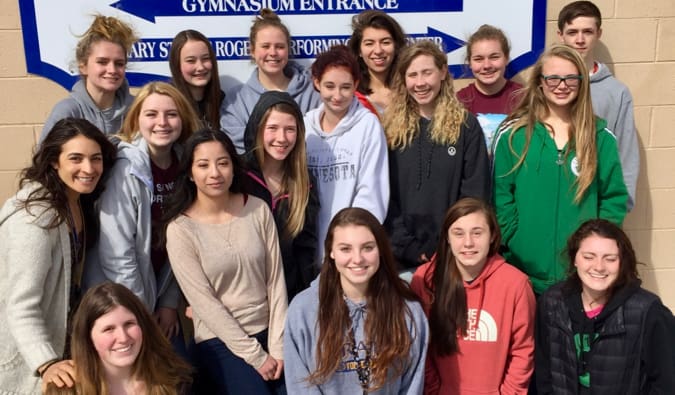
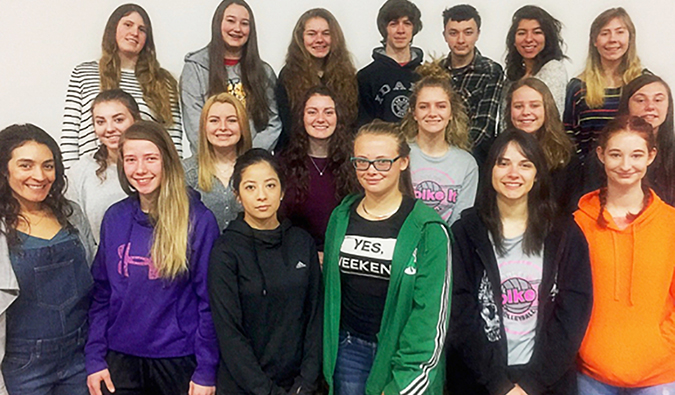
Students from Victor
Travel gives us perspective, challenges our expectations, and opens the door to new possibilities. It forces us to see the world and ourselves in a more profound way. I believe that it makes us better people. It gives us experience and understanding that you don’t get when you simply stay in your little corner of the world. It’s like that scene in Good Will Hunting when Robin Williams say to Will:

So if I asked you about art, you’d probably give me the skinny on every art book ever written. Michelangelo, you know a lot about him. Life’s work, political aspirations, him and the pope, sexual orientations, the whole works, right? But I’ll bet you can’t tell me what it smells like in the Sistine Chapel. You’ve never actually stood there and looked up at that beautiful ceiling.

Reading about something is one thing. Experiencing it is in real life is completely different. I know travel is no panacea. It’s not going to end hunger or bring about world peace. But it does give us perspective and experience. It gives us understanding and makes us more open. It teaches us possibility.

At a time when the world seems to be splitting apart, travel can at least give us a sense of understanding and community.

And that is why I created FLYTE, our community charity designed to give the gift of travel and education to young kids who grow up in places where that seems like a pipedream. Its mission is to expand their minds, show them that the world is full of possibility, and get them to dream big.

Today, I am announcing our next partner school!!!!

Travel has profoundly impacted the lives of the young students we’ve served.

Take Kaleb. He traveled with FLYTE to Mexico in 2016, and now he’s a sophomore at DePauw University studying political science and African studies. This past January, he took a trip study abroad to South Africa and is planning another one to Europe. As he says,

Traveling internationally better informed me not only as a young adult but as a global citizen. The experiences I have had traveling internationally during high school made me more competitive when applying for college and expanded my social consciousness. I can say that I now am more willing to interact with people of diverse backgrounds.

This why FLYTE exists and why I’m so proud of what we have accomplished together. Over 1,200 individuals have helped us grow FLYTE by spreading the word, volunteering, and donating to our fundraisers. We’ve sent close to 40 kids overseas and raised nearly $100,000 to make that happen.

So, I’m pleased to announce that after a long, rigorous application process, our next partner school is The Victor School from Victor, Montana!

Students from Victor

Victor is a tight-knit community about 45 miles south of Missoula. The entire K-12 school system only has 300 students. Lindsey Egelston, the teacher who will be leading this trip, explains that in Victor, “poverty is high and higher education levels are low, and many of our students’ families struggle to make ends meet.”

In June, FLYTE will send Lindsey and her students to Guatemala for ten days, where they’ll navigate the cobblestone streets of Antigua, explore the villages along Lake Atitlán, ignite their taste buds at the Chichicastenango market as well as volunteer with local organizations.

Living so far outside a metropolitan area makes it hard for these students to interact with a diverse range of people. This trip is a chance for these students to see the world, experience new cultures, see the power of education, and see the possibility that exists beyond their small town. It’s a chance to spark an interest in the world and education.

Today, I’m asking for your help. As someone who understands the transformative power of travel, you know how much these experiences can change a student’s life.

I can’t send these kids on this trip without you. We’re trying to raise $30,000 USD for this trip. I’ll be matching donations up to $10,000 and any extra money we raise can be put towards future trips.

Please consider joining our FLYTE Crew monthly giving program and help provide the sustainable support we need to serve a greater number of students. If 100 people give $25 a month, we could fund this trip and additional trip this year!

Not ready to give monthly? A one-time donation still allows us to send the Victor School abroad. Select the one-time option to donate today.

I know this is a budget travel website and most of us don’t have a lot of money but for the cost of a few drinks, you can pay it forward and help great a new generation of responsible travelers!

  • $10
  • $25
  • $50
  • $100
$
    • One time
    • Monthly

NOTE: We are a 501(c)3 charity so your donations are tax exempt. (US residents only)

We at FLYTE want to create a more peaceful, tolerant world, where everyone, regardless of race, ethnicity, gender, or socioeconomic status, is empowered to live to their full potential. This starts with our youth and we want to serve more of them.

At a time when people are building up barriers, dictators and nationalism are on the rise, social media brings out the worst in us, it’s more important than ever we do what we can to counteract our worst impulses.

If you’re the type of person that believes love trumps hate, help us help these kids.

If you’re the kind of person that is looking for a way to spread the power of travel, help us help these kids.

Let’s pay all our travel kindness forward and send these kids from the small town on Victor to Guatemala.

Thank you!

— Matt

P.S. – We’ve gotten a lot of questions about how much trips cost and our program expenses. That information is now available on our website.

P.P.S. – Want to help us and expand FLYTE’s impact? If you know of teachers who would be interested in applying for funding, let us know. If you know people who would want to get involved, share this post. If you want to help us by volunteering or creating a personal campaign, email us! We’re a small organization still so we need all the help we can get!

We’re 75% off completing this mission! Help us get to 100%!

Students from Victor
Dear fabulous reader,

I was in the shower (where I do some of my best thinking), pondering all the political fighting and social media outrage that seems to happen every week. Well, ok every day!!

Each day, people yell into the echo chamber.

I don’t know about you, but I have slight “outrage fatigue.” I can’t get up in arms anymore about a single speech or tweet, or what someone is wearing. I’m tired of it, and real problems don’t get solved that way.

They get solved by getting out there and doing something.

I recently read a great book called The Death of Expertise, which talks about how study after study has shown that people online tend to wall themselves off from opinions they don’t agree with because it’s easier than ever to just find information that confirms what you already believe.

But as travelers, we meet people from around the world. We experience cultures and values different than our own. I think is why travelers tend to be more open-minded than most. We have a broader perspective. We’ve been outsiders ourselves. We travel because we want to see the differences in the world, not hide from them.

Which is why, thinking about this topic, I am glad we have FLYTE, our community charity that raises money to send high school students on international trips to help expand their minds and put their education into practice. FLYTE aims to show kids that the world is much bigger — and full of more possibility — than they could ever imagine!

So far we’ve raised $26,000 to send these kids on a volunteering trip to Guatemala:

Students from Victor

These are the students from the Victor School in Victor, Montana, a small town of only 800 in rural Montana that is 96% white. Living so far outside a metropolitan area makes it hard for them to interact with a diverse range of people. Ten days in Guatemala isn’t a lot of time for us, but for these kids, it represents the start of a bigger, more important journey.

But we need another $7,000 more to make this trip happen!

And I’m asking for your help to help us get us to the finish line! On bended knee!

This trip is their chance to get out (even if only for a moment) and see the world, experience new cultures, and see the possibilities that exist beyond their small town. It’s a chance to spark an interest in the world and in education.

It is a chance to turn these kids — who, thanks to FLYTE, now have passports — into travelers and global citizens.

It is a chance for them put their schooling into practice.

It is a chance for them to see a world completely different than their own and develop empathy. To broaden their horizons and not just listen to what cable news or a curated social feed tells them.

It’s never been more important to broaden people’s perspective.

And it starts with these kids.

Because they will soon be the adults of the future.

For as little as $1, you can help us get there. If everyone who reads this website gave a dollar, we could make this – and many more like it – happen right away!

We can be the change we want to see in the world. Travel has done so much for us. So many people have been strangers in unknown lands.

If you’ve been wondering how you can pay it forward and get involved in building a better world, this is your chance.

I know this is a budget travel website and most of us don’t have a lot of money but for the cost of a few drinks, you can pay it forward and help great a new generation of responsible travelers!

  • $10
  • $25
  • $50
  • $100
$
    • One time
    • Monthly

NOTE: We are a 501(c)3 charity so your donations are tax exempt. (US residents only)

These kids, their teachers, and their parents will be forever changed by your generosity.

If you’re the type of person that believes love trumps hate, help us help these kids.

If you’re the kind of person that is looking for a way to spread the power of travel, help us help these kids.

Let’s pay all our travel kindness forward and send these kids from the small town of Victor to Guatemala!

Thank you so much for any support!

Sincerely,

Nomadic Matt

P.S. – Please help us share this organization and cause by forwarding this blog post to your friends and family or sharing it on social media! Let’s change some lives!

10 Tips to Help You Avoid Getting Sick When You Travel

I get a lot of questions about health care on the road – “How can I avoid getting sick? What need vaccines? What happens when I do get sick?” Since I’m not a doctor, I don’t like giving medical advice so I’ve asked Mike Huxley, a registered nurse and author of the blog Bemused Backpacker to write a few articles on health and safety when you travel. His first article focused on creating the perfect first aid kit. This article features easy ways to stay healthy on the road.

Getting sick is a part of everyday life, and being on the road doesn’t exempt you from that fact, especially when travel itself it exposes you to a whole new range of bugs, parasites, and environments. The fact of the matter is the longer you are traveling, the more likely you are to pick up a bug or two.

The key to minimizing the chances of this, however, is to actively combat the risk factors of becoming sick in the first place. The last thing you want to do is to expose yourself to any more risk than you have to. Prevention is far better than any cure.

Wash your hands

Outdoor sinks used to ask your hands and prevent illness
I know this sounds basic, but it is surprising how many people forget it, and as a nurse, the simple act of washing your hands has been drilled into me since day one of basic training as a key component in infection control. The National Health Service (NHS) in the UK has had a huge impact on controlling infection in a clinical setting simply by reinforcing the importance of washing your hands, but the same is true for every aspect of day-to-day life, and traveling the world is no exception.

Hand hygiene is essential to stop the spread of infection and can dramatically reduce your chances of diarrhea, vomiting, food poisoning, gastroenteritis, flu, norovirus, MRSA, or even hepatitis A.

Many travelers carry small bottles of hand gel, and these are great as a backup, but they aren’t a replacement for good old soap and water. Wherever possible, wash your hands under hot water for at least thirty seconds before and after eating and always after going to the toilet.

Drink bottled water

Two bottles of water in the green grass
When you can’t be sure of the purity of the local water or you are traveling in areas where sanitation is not that great, then it should go without saying that you should avoid the local tap water. Even if locals drink it without any problems, your stomach may not have the right bacteria to protect you from becoming ill, avoid local water — even ice in your drinks — in countries that don’t purify their tap water.

I recommend that at the very least you should always drink bottled water and double-check that the seal is intact on the bottle top too (a common scam is to sell bottles refilled with tap water). It is also a good idea to use bottled water to brush your teeth. But personally I prefer to use a water bottle with a built-in filter as this reduces the need to buy bottles of water constantly, saving both money and the environment.

Be careful of food contamination

Thai feast of fish and noodles at an outdoor restaurant
Food contamination is one of the biggest causes of traveler’s diarrhea and gastrointestinal problems on any travel adventure. If you are not careful with your food on your travels, you could potentially be exposing yourself to diarrhea, E. coli, Shigella, Salmonella, Giardia, Entamoeba hystolytica, Campylobacter, Cryptosporidia, Cyclospora, cholera, and much more nastiness.

You should always ensure — as much as is practicably possible — that any food you eat is fresh, cooked thoroughly, and served piping hot.

I love street food for this very reason, as you can see how clean the cooking environment is, and the food is often prepared right in front of you. But look out for signs of good hygiene practice at any street food stall or food court you eat at. Does the person handling the food wear disposable gloves and change them frequently? Is there a separate person handling the money or, at the very least, does the person cooking the food remove and replace gloves every time they handle cash? Is hand washing a regular occurrence? Is raw food left out in the open or is it stored correctly? These things may seem inconsequential but they are important.

You may want to avoid — or be very careful of — the following:

  • Salads that may have been prepared in local untreated water
  • Raw fruit and vegetables that you haven’t peeled or skinned yourself (if you have, they are generally fine)
  • Food that has been left out and exposed for a period of time
  • Food that is shared, such as in buffets undercooked, raw, or reheated food, especially meat, fish, or rice.

You probably aren’t going to avoid a bit of stomach upset completely on your travels — especially if you are traveling long term — but if you are aware of good food hygiene practices and follow them as much as possible, then you can at the very least minimize the risk of becoming ill.

Don’t be afraid of having familiar food

Man sick in bed with food poisoning during his travels
Eating local food and delving into the local cuisine is one of the absolute true pleasures of traveling and one you should never miss out on, but that said, a degree of common sense is needed too. Jumping straight into a diet of spicy curries or predominantly red meat is a good way to ensure some form of gastrointestinal upset if your stomach isn’t used to it.

Food intolerances happen when your gut can’t properly digest the food you’ve eaten, or you’ve introduced something completely new and different to it, which can irritate the digestive tract and lead to stomach pain, cramps, gas, diarrhea, vomiting, and heartburn. Don’t worry — this generally isn’t serious and will pass relatively quickly. The trick to trying new foods and new cuisine is to mix it up a little bit.

If you have a sensitive stomach, take it easy at first and don’t be afraid of eating familiar food from time to time.

Try and stay active

Man who climbed to the top of a mountain overseas
One of the best ways to stay fit and healthy and fight off unwanted infections is exercise. The benefits of exercise are well known and well documented: it improves your overall health and well-being and strengthens your immune system, which makes you less susceptible to illness. And if you do get sick, your body is better able to fight off the infection and more quickly get you back on your feet. It isn’t foolproof, of course, because fit people still get sick, but in general the fitter you are, the better your body will be at shrugging off that annoying bug or illness. I always try and maintain a healthy lifestyle, and that doesn’t change because I am traveling.

If you aren’t active or fit before you start traveling, use it as an excuse to start! Go on a jungle trek, go hiking into the countryside or up a mountain, swim in the sea, go for a jog — whatever tickles your fancy as long as it gets you a little out of breath.

Protect yourself against the sun

Sun shining through tall plants
Sunburn can seriously ruin a good travel experience! I got very badly sunburned years ago in Thailand after snorkeling for too long and forgetting to reapply sun cream. It is not an experience I want to repeat!

Current recommendations on sun protection say you should use a minimum of factor 15, though I recommend at least SPF 30.

Protecting yourself from the sun goes beyond getting bad sunburn though. You should also stay well hydrated if you are traveling in a country or region with a hot or tropical climate, as well as cover up with loose clothing and even a hat or scarf. If you don’t, then dehydration can set in very quickly, and that can lead to more serious conditions such as exposure, heat exhaustion, and heatstroke, which if left unattended can become a medical emergency.

I once cut a day’s sightseeing short in Egypt when I spotted the signs and symptoms of heat exhaustion developing in another traveler and had to help her to get rehydrated and cooled down. It happens a lot more easily than many people think so be sensible, use sunscreen, cover up, and stay hydrated.

Get vaccinated

Backpacker getting vaccinated before he travels
Vaccinations are probably one of the most common travel health concerns that people ask my advice on in my capacity as a qualified nurse. There is no one-size-fits-all answer to those questions, however, due to the unique nature of individual circumstances, but there is one universal constant: If you can protect yourself, it is a good idea to do so.

Prevention is always better than the cure, and nothing is better at protecting you from the risk of getting a disease than being vaccinated against it.

Not all vaccinations are required for every individual for every trip, and a lot depends on what vaccinations you have already, what country or region you are visiting, and individual factors, such as your personal medical history, how long you will be traveling, and what you will be doing. This is why it is essential that you get one-on-one personal advice from your local travel clinic, nurse specialist, or physician before you travel.

To give you a basic understanding of the types of vaccinations you will need, however, they are often broken up into three distinct categories:

  • Routine vaccinations are the ones that everyone gets throughout their childhood and early adult life; specific schedules (and sometimes the vaccine administration itself) do differ from country to country, but these generally include the BCG vaccine, the pneumococcal conjugate vaccine, and vaccinations for diphtheria, tetanus, and pertussis (DTP); hepatitis B; hepatitis A (for at-risk groups); Haemophilus influenzae type b; rotavirus; measles, mumps, and rubella (MMR); and HPV (for young girls only, to prevent cervical precancers and cancers). It is important that you are fully up to date with all of your routine vaccinations, including boosters, if you plan to travel. If you aren’t, then a health professional’s office should be your first port of call, before even departing.
  • Recommended vaccinations include all the vaccines that aren’t included in the routine schedule of your own country and are specific to travel to any given destination. These can include vaccinations for hepatitis A (if you don’t have it already), rabies, Japanese encephalitis, cholera, and typhus, among others.
  • Required vaccinations refer to vaccinations for yellow fever, meningococcal disease, and polio. Many countries where yellow fever is present will require you to have proof of vaccination before you are allowed in, and if you are heading anywhere else after traveling to a country where these diseases are present, you will need to show proof of vaccination — known as an international certificate of vaccination or prophylaxis (ICVP) — before entry.

Protect yourself from mosquito bites

Beds in Africa protected by mosquito nets
Mosquito bites are an absolute nightmare for any traveler. At best they will simply annoy you with painful and itchy welts, but at worst they can transmit a whole variety of diseases, such as yellow fever, dengue, Japanese encephalitis, and chikungunya, not to mention malaria.

Mosquitoes can be a problem in many parts of the world, but the Centers for Disease Control and Prevention (CDC), the World Health Organization, and the NHS’s Fit For Travel site are excellent places to find out where there are outbreaks of diseases such as dengue or malaria.

Even if you are in a low- to no-risk area, it is still a good idea to prevent mosquitoes from biting you in the first place, even if it is only to avoid the annoyance of painful bites. It should go without saying that the best thing you can do to protect yourself from being bitten is to use preventive measures:

  • Air-conditioned rooms are great for minimizing mosquito bites, as they are often better sealed and less likely to let them in.
  • Cover up. Wearing the right clothing is essential. Wear light, loose cotton clothing that covers most of your skin, especially around peak exposure times and places, for example, near bodies of water or at twilight or after dark, the peak time for malaria-carrying mosquitoes to feed.
  • Sleep under permethrin-coated nets where necessary.
  • Use anti-mosquito coils and plug-in devices where appropriate.
  • Always apply a good dose of 30–50% DEET spray, and reapply it regularly. Some people prefer more natural alternatives, but these are often not as effective or are often not clinically proven to be effective at all.

It is important to remember that none of these methods is completely foolproof. You can do everything right and still get bitten. I once caught dengue fever in India despite taking all the usual preventive measures, and it was one of the most unpleasant travel experiences of my life. It isn’t nicknamed “breakbone fever” for nothing! However, you can always minimize your risks with the tips above.

Take antimalarials when necessary

Adult hand holding pills to take on the road
As a nurse I advise people on taking antimalarials all the time, and one of the biggest problems is the huge amount of misinformation and fear there is surrounding this issue.

Basically speaking, if the area you are heading to is considered a high risk for malaria then yes, antimalarials are usually strongly advised. If you are visiting an area that is a low to no risk, then antimalarials aren’t usually advised.

Antimalarials are medications, and like all medications they have side effects. There isn’t one type of antimalarial; there are a variety of prophylaxes available, each of which has a range of common and rare side effects.

The most important thing to remember, however, is that each antimalarial affects different people differently. Just because one person develops side effects, that doesn’t mean the next person will. In fact, the people who suffer from severe side effects are in the absolute minority. A lot of people will only suffer mild side effects, and most will have none at all.

Now, knowing when they are necessary and when they are not is a different matter, and a lot of different factors have to be taken into consideration. These factors include the following:

  • The level of risk in your destination
  • The time of year you are traveling
  • Whether there are any current outbreaks
  • How long you are staying in any high-risk areas
  • What you will be doing (spending extended time in rural areas or cities, spending time near bodies of water; other high-risk factors, etc.)
  • Your personal medical history
  • Past experience with antimalarials

Make an appointment with a travel health professional

Health care professional giving a shot to a traveler overseas
It is important that you discuss your plans with a health professional well before you head off on your ‘round-the-world adventure. Many travelers instead leave it until the last minute. Too many people contact me for an appointment at my travel clinic a week before they leave not realizing that vaccinations may need to be timed weeks apart!

The average recommended time to see a health professional is 6–8 weeks before you leave, but personally I would aim for a little earlier than that, especially if you will think you will need more than one vaccination or if you have specific health concerns. The worst that will happen is that you will get an appointment closer to your time of departure if it is determined that you don’t need that amount of time to get things sorted.

******
These very simple steps will dramatically reduce your risk of getting ill abroad, but they are often so simple that many people overlook them. Before you set off on your trip of a lifetime, take a moment to think about your health and prepare properly. That way you will be able to enjoy your trip with peace of mind.

These very simple steps will dramatically reduce your risk of getting ill abroad, but they are often so simple that many people overlook them. Before you set off on your trip of a lifetime, take a moment to think about your health and prepare properly. That way you will be able to enjoy your trip with peace of mind.

Remember that these are general health tips only, and while they are written by a qualified nurse, they are no replacement for a consultation with your travel health nurse or physician, where individual health concerns can be discussed based on your personal history.

Michael Huxley is a registered nurse from the U.K. (who is especially interested in emergency nursing and travel medicine) and writes about his travels on his blog Bemused Backpacker. There he blogs about backpacking, sustainable travel, and health related issues. It’s an awesome blog! Michael is also an active moderator in our community forums.

Important Note: The information provided here is for general travel health advice and information only. It is provided by a qualified nurse, but it is not a replacement for a personal consultation with a travel nurse specialist, your GP, or a doctor specializing in travel medicine who can tailor advice to your individual medical history and needs.