显示标签为“water”的博文。显示所有博文

2019年7月26日星期五

A Complete Visitor's Guide to the Waitomo's Glowworm Caves

Glow worms Waitomo
Updated: 9/1/2018 | September 1st, 2018

Waitomo is famous for one thing: worms. And not just any ol’ worms but glow worms! Every year thousands of travelers come here to see the famous glow worms that line the ceilings of the nearby caves.

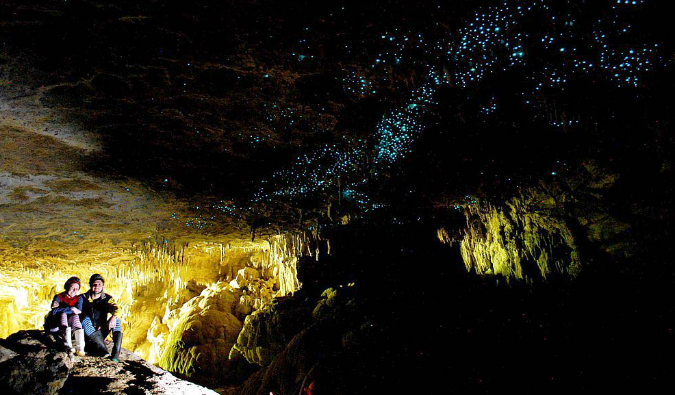
The interesting thing about the glow worms is that they aren’t really worms at all. They’re actually fly larvae that emit a phosphorescent glow that shines from the inside of the caves like a starry night, lighting up the ceiling. So, why do they glow if they’re not glow worms? Well, it’s actually their waste and snot that glows. The larvae developed this glow to attract prey into their sticky threads by making the prey believe they’re outdoors. Since the cave ceiling looks like a starry night, the prey will try to fly upwards and end up stuck in the larvae strands. The hungry larvae will then devour their prey.

While glowing fly larvae may not sound like an amazing activity, as you can see from the photos it’s still incredibly captivating and beautiful.

The caves were discovered in the late 19th century by a local Maori chief. They were opened to the public shortly thereafter, with local Maori acting as guides. While the caves were taken over by the government for many years, they were eventually returned to the Maori. In fact, many of the present-day workers are descendants of the original founders of the caves. The Ruakuri cave, in particular, has significant links to the spiritual traditions of the Maori.

These days, over half a million people visit the caves every year. A huge industry has built up to help people visit the Waitomo glow worm caves, with plenty of options available depending on what you’re looking to do. There’s the three-hour black-water tubing trip, the five-hour trip that includes abseiling and climbing, or if you like it easy, a boat through a bigger cave.

Glow worms Waitomo

My Glow Worm Experience at Waitomo Caves

Waking up early in the morning, my group headed out to the cold waters of Ruakuri cave. We wetsuited up and practiced jumping into the inner tubes we would ride through the caves. I wasn’t happy that I had to jump off not one, but two small waterfalls. Worse yet, this had to be done backward so I could land in my tube. The waterfalls are only a meter or two high, but I really hate heights. Yet at that moment, realizing a wetsuit doesn’t keep you dry but simply wet, I found something I hated even more.

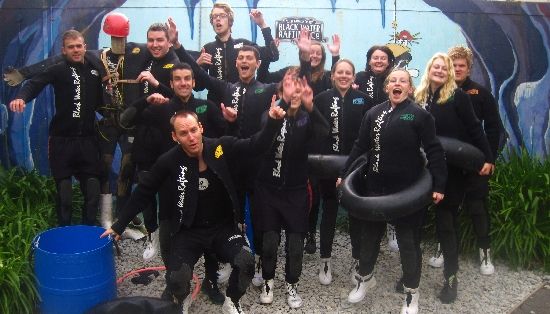
After our practice jump, we, a crowd of 12 wet-suit-wearing, boot-wearing, helmet-wearing backpackers, marched gingerly towards our destination. After a short walk in the woods, we entered the glow worms’ dominion and were given a quick tutorial about how the next few hours would go. Sadly, it felt like the tutorial lasted longer than the trip—away from the light, surrounded by darkness and the rushing chill of the water, the hours seemed to pass by in minutes. Just as I was adjusting to the experience, the end of the tunnel came and we were topside again.

12 wet-suit wearing people executed to see glow worms

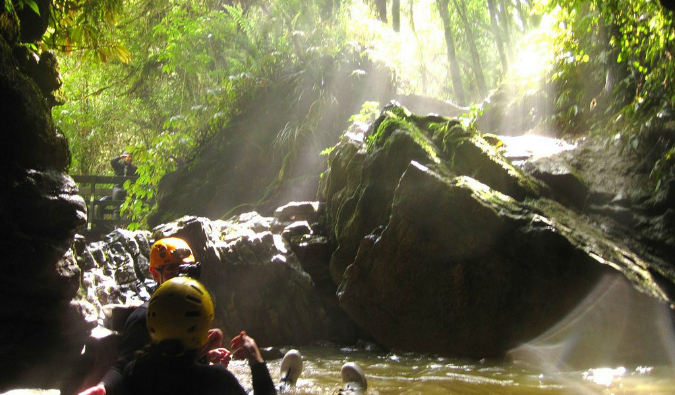
But the experience in between was amazing. After our instructions, we began to descend into the cave. We walked through tight openings and tunnels and waded through quick-moving and very cold water. Sometimes the water was ankle deep, other times chest height. Eventually, we came to the first milestone: waterfall #1. I met the waterfall with trepidation. My group, knowing my fear, encouraged me to go first, but that wasn’t going to happen. I went third. My fear was that I’d never jump far enough to clear the rocks. I didn’t jump far enough. As my tube landed in the water, my foot lightly touched the bottom rock.

From there, it’s an easy cruise through the cave, where above you, you begin to see glow worms like stars in the sky. They seemed limitless in number. It reminded me of my childhood when I used to put those glow-in-the-dark cosmos stickers on my ceiling and stare at them as they lit up my room.

But the day’s biggest challenge lay ahead: waterfall #2. This waterfall was much higher than the first, and to me, it might as well have been Niagara Falls. I had to make everyone count twice before I was ready to jump. Closing my eyes, I jumped, and this time I jumped far enough. But I hated every minute of it. I still prefer to have my feet on the ground.

Yet from here until the end it was smooth sailing…or tubing in this case. The rest of the way was all glow worms. Leaning back in my tube, I floated down the river, marveling at the beauty of the light show and the tranquility of my surroundings. But the tunnel’s end came too quickly, and I was left wanting to go back and stare upwards just a bit longer.

Glow worms Waitomo

I can see why the glow worm caves are one of New Zealand’s biggest tourist attractions. They’re beautiful. The caves are peaceful. Overall, it’s an amazing experience. Three hours seemed too short, but five hours might have been a bit too long. I’d go back to see the glow worms again, and, whether you abseil, tube, or simply cruise in a boat, the glow worms are not to be missed.

How to Visit the Waitomo Glow Worm Caves

Waitomo is 200km south of Auckland. By car, it’s around a two and a half hour drive, while by bus it’s closer to 3 hours. Expect to pay around 35 NZD for a one-way bus ticket from Auckland. A bus from Rotorua will cost around 35 NZD each way.

Once you get to Waitomo, here are some suggested companies to visit the glowworm caves with:

Prices will vary depending on the company and time of year but, generally, water tubing is 145 NZD per person, tubing and abseiling is 250 NZD per person, and a simple boat ride is 51 NZD per person.

While the glowworm caves in Waitamo are not a cheap activity, they are definitely one you should make an effort to do. You won’t regret it!

Book Your Trip to Waitomo: Logistical Tips and Tricks

Book Your Flight
Find a cheap flight to Waitomo by using Skyscanner or Momondo. They are my two favorite search engines. Start with Momondo.

Book Your Accommodation
You can book your hostel in Waitomo with Hostelworld. If you want to stay elsewhere, use Booking.com as they consistently return the cheapest rates. (Here’s the proof.)

Don’t Forget Travel Insurance
Travel insurance will protect you against illness, injury, theft, and cancellations. I never ever go on a trip without it. I’ve been using World Nomads for ten years. You should too.

Need Some Gear?
Check out our resource page for the best companies to use!

Want More Information on Waitomo?
Be sure to visit our robust destination guide on Washington, D.C. for even more planning tips!

Photo credits: 1, 2, 4

I Despise Sunny Beach

sunny beach, bulgariaPosted: 08/02/2011 | August 2nd, 2011

There aren’t many places in the world I despise or fill me with disgust. One of those places is Ko Phi Phi, Thailand. I’ve never understood the hype about it or why people like it so much. Other than being a place to buy expensive drinks, it really has no redeeming qualities. Just like Sunny Beach, Bulgaria.

For some reason, Ko Phi Phi has remained “the” place to go in Thailand, much like Sunny Beach is the hot spot to visit in Bulgaria, especially if you’re Russian, English (northern English, specifically), or Scandinavian.

Ten years ago, Sunny Beach was a quiet seaside town with beautiful beaches and good clubs. But as with so many other destinations in the world, as word got out about how nice it was, it got more and more popular and more and more built for tourists. It went the way of Phuket, Ko Phi Phi, and Cancun and turned into a gawdy resort town.

Everyone told me Sunny Beach was a good party, but that didn’t really sell the place to me. Another beach party town? Great. I had just spent three weeks in Ios working on my tan and ouzo-drinking skills. But the people I was traveling with were heading there, so I figured I’d join them. We were all going the same route back to Sofia anyway.

While the nightlife is amazing (if you like to party until 6am with drunk 18-year-olds, that is), there’s really nothing else special about this place. Absolutely nothing. I stayed three nights (two nights too long) because I ran into friends from Ios.

You’re probably thinking, Come on, Matt, is it really that bad? There must be something nice about it. You’re right, there is something nice about it — it has a pretty amazing water park nearby. It’s huge, with some great water slides. I love water parks, and this is a really good one. But you can go to the water park as a day trip from Varna or Burgas and avoid Sunny Beach entirely.

So why do I hate Sunny Beach so much?
Well, first, the beach itself. It’s covered in beach chairs. So many beach chairs that you can barely put down a towel. I’m not exaggerating. Here’s a photo:

sunny beach, bulgaria

Look at all those chairs! This photo is from the end of the beach where there’s some sand, but if you look in the distance, you see chairs spreading out like a virus. In fact, it’s not really a beach so much as a parking lot full of chairs placed over some sand. They should rename this place Sunny Chair.

Next, there’s the water. A few hours north in Varna, the water, despite being near a port, is crystal clear, beautiful, and inviting. It was just as wonderful as the water I played in in Greece. But in Sunny Beach? The water is polluted and filled with an algae bloom so large that the shoreline turned green. If you go in, you walk out looking like a swamp thing.

My Bulgarian friends say this only happens “sometimes” and that the water is “usually” nice. But when I pressed them a bit more, they got vague on just how little “sometimes” was. I got the impression that sometimes might be a bit more frequent than they let on.

Lastly, Sunny Beach is tacky tourism central. It’s full of glowing neon lights, bars, people on the street trying to get you into their restaurants or clubs, fast food chains, cheesy t-shirt vendors, and everything else a built-for-tourists destination has. If you’d blindfolded me, drugged me, and woken me up in Sunny Beach, I could have easily said I was in Kuta Beach, Phuket, Cancun, a bad Florida beach town, or any number of cookie-cutter beachy places in the world. There’s no culture or uniqueness to this place, except that some signs are in Bulgarian.

Finally, Sunny Beach is filled with people who just want to overpay for a week of drinking. It’s always happy hour, there are always free shots, and huge night clubs go until dawn. I felt like I was on spring break. But if you really want to go on a binge on the cheap, there are tons of better destinations in Europe: Barcelona, Lagos, Ios, Dubrovnik, Varna, and Constanj, just to name six. Those places at least have some history, culture, and charm to them.

In sum, Sunny Beach is a giant tourist trap of a destination with a bad beach, overpriced food, tacky bars and souvenir shops, and a bunch of drunks. If that sounds like fun to you, I highly recommend it. But there are better places to party than Sunny Beach. (I know, I’ve partied in them). While I love great nightlife, I’d rather party in a place that also actually has a nice beach.

If I never see Sunny Beach again, I’ll be the world’s happiest man.

Book Your Trip to Bulgaria: Logistical Tips and Tricks

Book Your Flight
Find a cheap flight to Bulgaria by using Skyscanner or Momondo. They are my two favorite search engines. Start with Momondo.

Book Your Accommodation
You can book your hostel in Bulgaria with Hostelworld. If you want to stay elsewhere, use Booking.com as they consistently return the cheapest rates. (Here’s the proof.)

Don’t Forget Travel Insurance
Travel insurance will protect you against illness, injury, theft, and cancellations. I never ever go on a trip without it. I’ve been using World Nomads for ten years. You should too.

Need Some Gear?
Check out our resource page for the best companies to use!

Want More Information on Bulgaria?
Be sure to visit our robust destination guide on Bulgaria for even more planning tips!


Photo credits: 1, 2

What I Loved (and Hated) About My Cruise

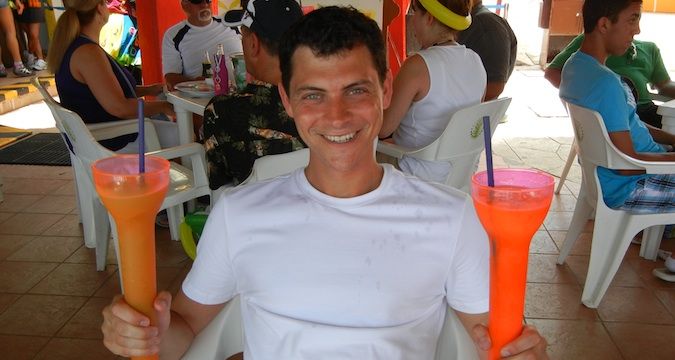
Nomadic Matt holding drinks and enjoying cruise lifePosted: 07/16/2012 | July 16th, 2012

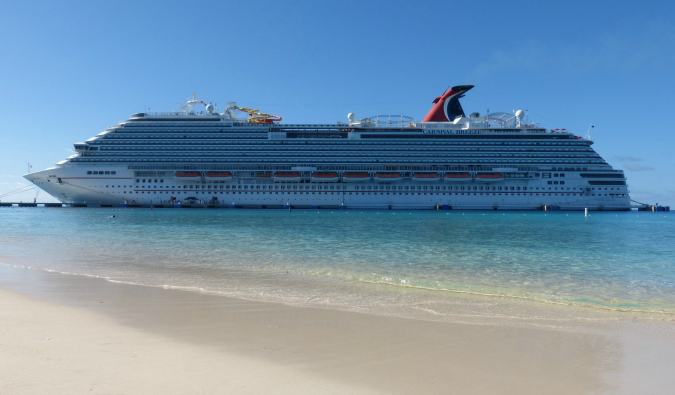
So what does this nomadic backpacker think of the cruise he went on? IT WAS AWESOME. It was so enjoyable that when it came time to head home, I didn’t want to leave. I missed it. I was surprised, because before I left, I didn’t really have high expectations for my cruise. After all, a cruise ship is simply a floating resort. How great could all that sitting around and relaxing really be? Wouldn’t it get boring?

Apparently not.

I think cruises make for great vacations; everything is taken care of for you, and you just need to show up for dinner. And that’s exactly what my cruise experience was like. It was filled with buffets, cheesy entertainment, lots of drinking, and large amounts of time at the pool. A cruise was pretty much everything I thought it would be.

But who would have known that could be so much fun! Not only did I find the whole experience fascinating and a great opportunity to people-watch, but I actually liked being on the ship itself.

I wanted to stay longer.

What I Liked

Nomadic Matt holding drinks and enjoying cruise life

  • Starbucks – Being able to get my iced tea lemonade every day after the gym? Blissful.
  • The gym – Being able to actually go to the gym every day? Even more blissful. (Though I only went three times.)
  • The buffet – So many food options, so much eating. The ship had everything I could have ever desired, including a great salad bar. I think I ate healthier that week on the cruise than I have in months.
  • Sushi – The Oasis of the Seas had a Japanese restaurant, and being able to get my sushi fix in the middle of the ocean was heavenly.
  • The friendly staff – The members of the staff on the boat were utterly amazing. The bartenders at the Schooner bar were hilarious; our room attendant was friendly and helpful, and put up with my million requests. But the real prize goes to our dining room attendants, who were some of the best servers I’ve had in recent memory. They made excellent conversation, it was interesting to learn about their lives back in India, and overall, they took good care of my friend and me. They deserved that extra tip!
  • The rising tide bar – In the middle of the ship, there’s a little bar that moves between the 5th and 8th deck. Cheesy but surprisingly fun.
  • The adventure area – Rock walls, mini golf, and wave pools = fun.
  • Late-night dining – Pizza at 3am? Dessert at 1am? You had me at “please make me fat.”
  • The comfy beds – I didn’t expect much from the boat’s accommodation, but I was pleasantly surprised at how well I slept. The bed featured one of those foam mattresses, and I rarely wanted to get up.
  • The casino – I actually made most of my friends at the casino bar. It turned out to be one of the best spots to meet people.
  • Daily trivia contest – A daily chance to show off my knowledge of arcane facts for cheesy prizes? Excellent (I say in a Mr. Burns voice).

What I Didn’t Like

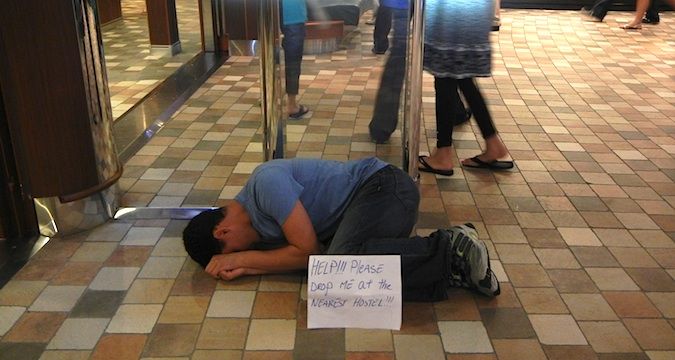
Nomadic Matt on the ground asking for help to get back to a hostel

  • The lack of a movie theater – They played movies in the outdoor theater once a day, but why couldn’t there be an operational movie theater on the boat? If this is an entertainment complex on water, why can’t we go to the movies? It’s not like people are going to hide in their room 24/7. It would have been nice to take a break from the sun with some popcorn and a flick. Come on, Royal Caribbean (RCCL), Disney cruise ships have them!
  • Not enough pool area – 6,000 people on the ship and there are four tiny pools that were always crowded and loud. Seems like this would have been the most obvious thing to include when you’re designing a new ship!
  • Hairspray: The Musical – RCCL paid a lot of money to have these cast members perform on the Tony Awards to show off what you could see on the boat. But, really, when I saw the show on the boat, all I could think was “this sucks!” Poor casting, poor voices, poor everything.
  • Being nickel-and-dimed – When I went on my cruise years ago, everything (except alcohol) seemed to be included. Now it seems that everywhere you go, things cost extra. RCCL really knows how to take money from you, with shopping sales, extra restaurants, expensive on- and off-board activities, charging for soda ($45 dollars for a week!), and $4 bottles of water.
  • No free water in Labadee – RCCL’s private resort area in Haiti only had free water during lunchtime despite the cruise log saying that water would be provided. Apparently, they mean for a fee. Seems dangerous when temperatures are 90+ degrees!
  • Small showers – The bathrooms in the rooms were kind of small. You could fit inside them, but there was no stretching out.
  • The buffet closing – I didn’t get why the buffet closed in the middle of the day for an hour. What happened to all-day buffets?! How am I going to get fat if the buffet is closed?

My friend Jason asked if I would go on a cruise again. And you know what, I would. In a heartbeat. Before I went, I wondered if I would I hate my cruise. Would I be able to cope with such a sanitized travel environment? Would I be able to relate to people whose idea of “travel” is a trip to Señor Frogs?

I did — and I even enjoyed myself. While it wasn’t perfect (nothing ever is), the cruise wasn’t the dreadful experience I thought it had the chance to be. I’m a cruise convert now and will go on one again soon.

Because sometimes it’s good to withdraw yourself from your normal routine. Sometimes you just want to sit around with a frozen drink in your hand and get a tan.

And it turns out a cruise is the perfect place for that.

Note: Royal Caribbean covered the cost of my cruise.

Book Your Trip: Logistical Tips and Tricks

Book Your Flight
Find a cheap flight by using Skyscanner or Momondo. They are my two favorite search engines. Start with Momondo.

Don’t Forget Travel Insurance
Travel insurance will protect you against illness, injury, theft, and cancellations. I never ever go on a trip without it. I’ve been using World Nomads for ten years. You should too.

Need Some Gear?
Check out our resource page for the best companies to use!

30 Fantastic Photos from Iceland to Inspire Your Next Trip

Beautiful IcelandPosted: 10/20/2014 | October 20th, 2014

Last month, I finally visited Iceland. Iceland wasn’t the impossible budget destination people made it out to be. The locals were warm and welcoming, took me around, and showed me their homes. They were incredibly hospitable, and I made a lot of Icelandic friends on my trip.

And, while locals make any destination better, what blew my mind was the magnificence of the natural landscape. It’s bewitching. You find yourself in a spellbound daze as you move from place to place, your eyes overloaded by all you’re seeing. “How could such a tiny place have such a diverse and beautiful landscape?” you think to yourself as your jaw hurts from being open too much.

Over the course of 11 days, I wanted to scream from joy everywhere I went. The land is desolate, sparsely populated, and silent. That was the one thing I noticed — just how silent Iceland is. There are no distractions, and I think that helps you form a deep connection with nature. You begin to feel its rhythm.

Today, I want to share 30 pictures from my trip in hopes of inspiring you to visit this country. I’m not the world’s best photographer, but it’s hard to take a bad picture in Iceland.

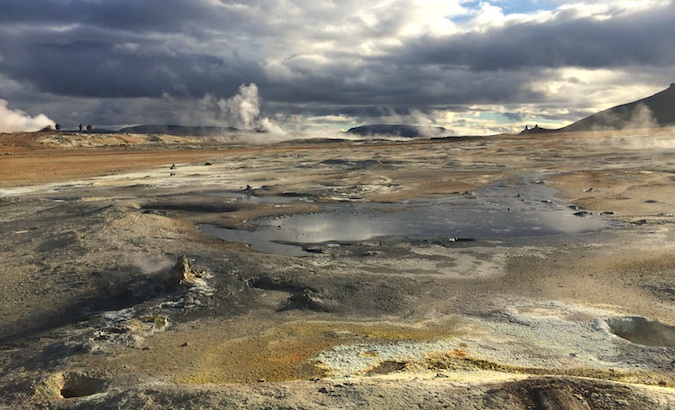
Sulfur pools at Hverir near Lake Myvatn in the north of Iceland
Sulfur pools at Hverir near Lake Myvatn in the north of Iceland. Very otherworldly.

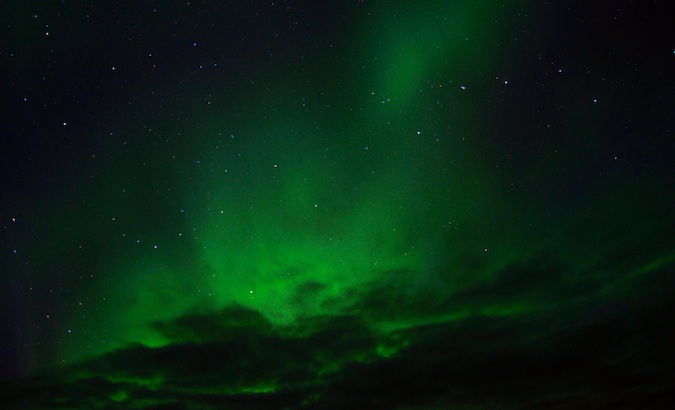
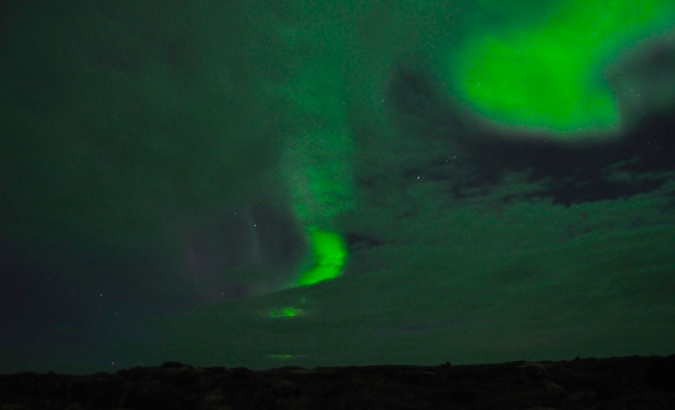
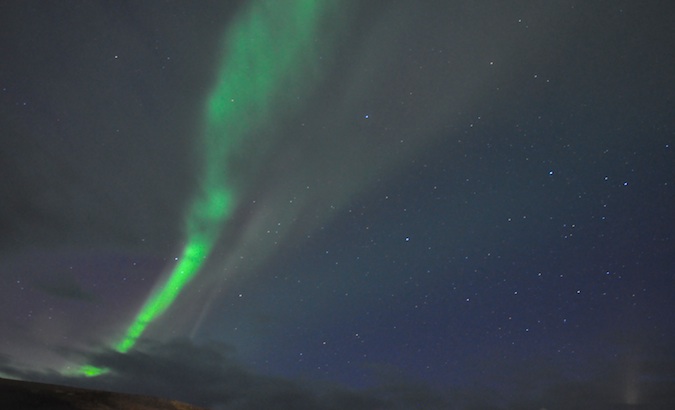
The northern lights lighting the sky up green
The northern lights lighting the sky up green. This is my favorite picture of them.

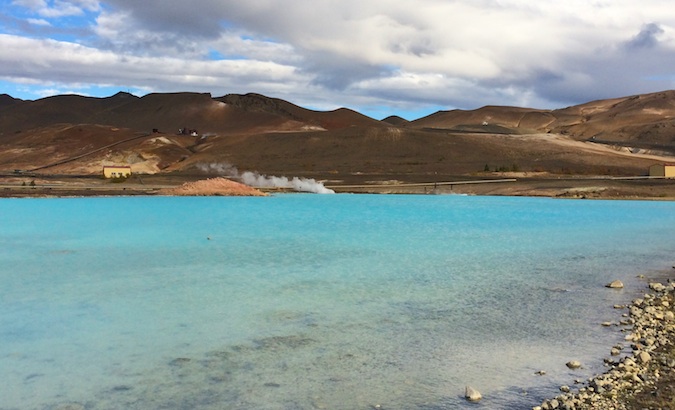
Runoff from the geothermal plant near Myvatn
Runoff from the geothermal plant near Myvatn.

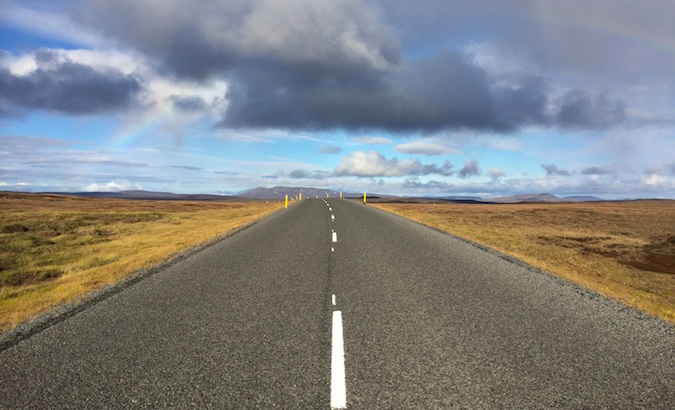
the Ring Road that circles the country of Iceland
Somewhere along the Ring Road that circles the country.

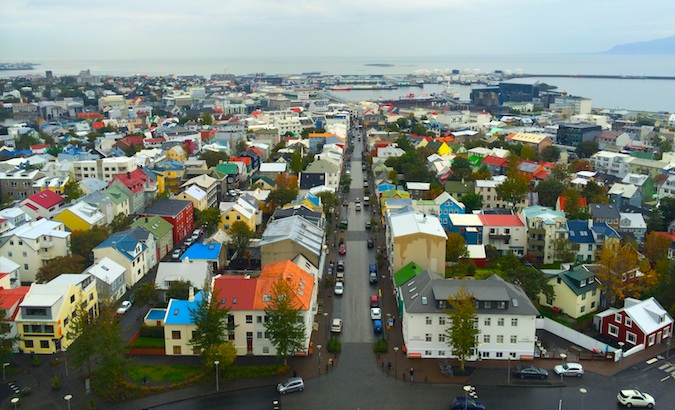
Reykjavik and its colorful houses from above
Reykjavik and its colorful houses.

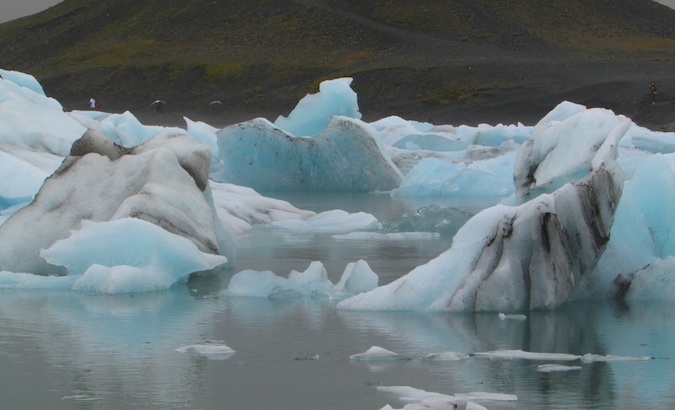
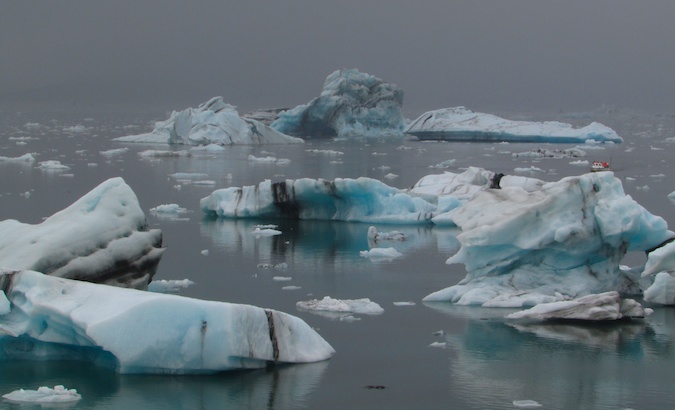
Jökulsárlón flowing ice lagoon in the southeast of Iceland
Jökulsárlón ice lagoon in the southeast of Iceland. This ice flow is only a couple of decades old and one of the most popular attractions in the area. I enjoyed just sitting down and listening to the ice blocks crash into each other on their way out to sea.

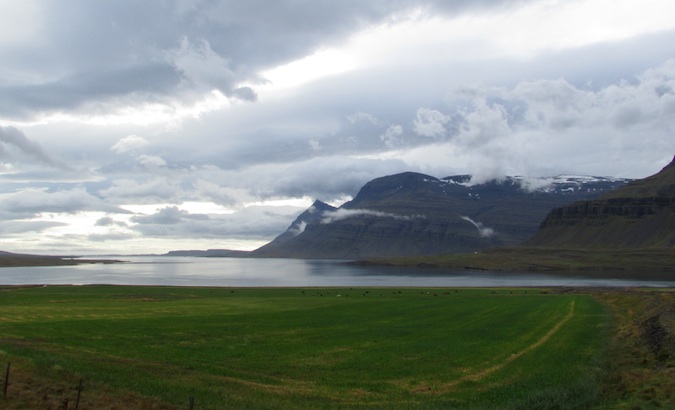
Fjords on the eastern seaboard that could rival Norway
Fjords on the eastern seaboard that could rival Norway.

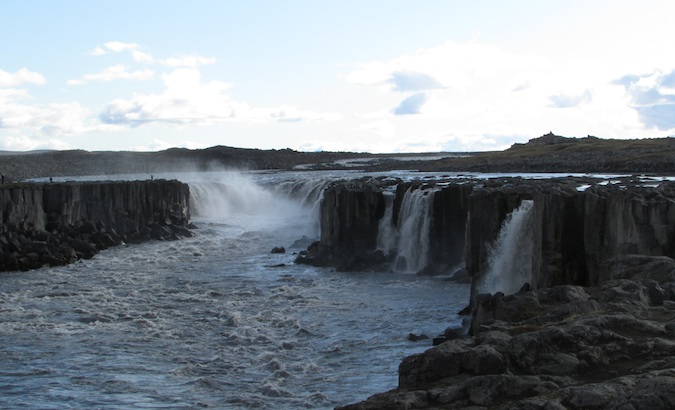
Selfoss waterfall scene in Iceland
Selfoss. Foss means waterfall in Icelandic, and you’ll find a lot of waterfalls throughout the country.

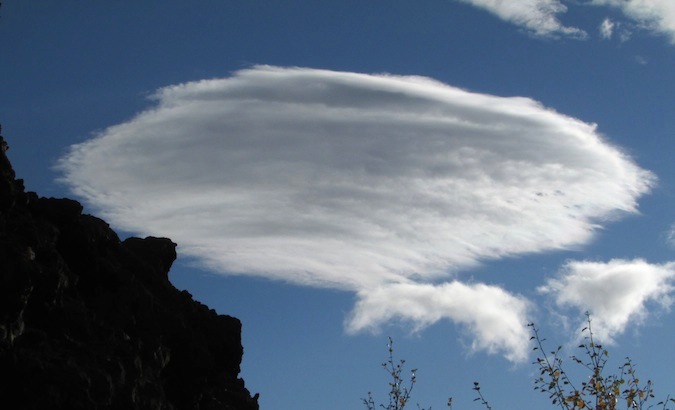
Stunning UFO cloud in Iceland
UFO cloud. The truth is out there.

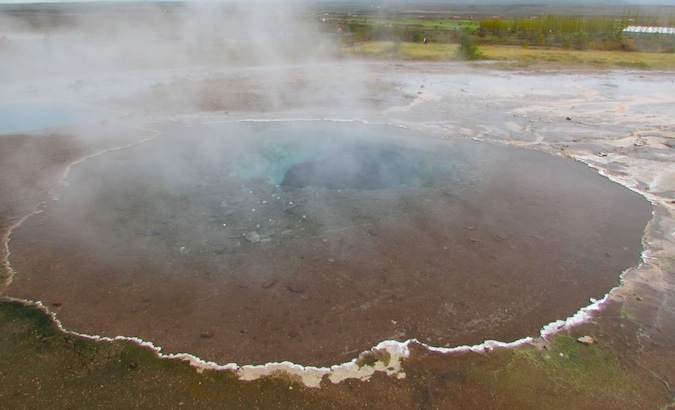
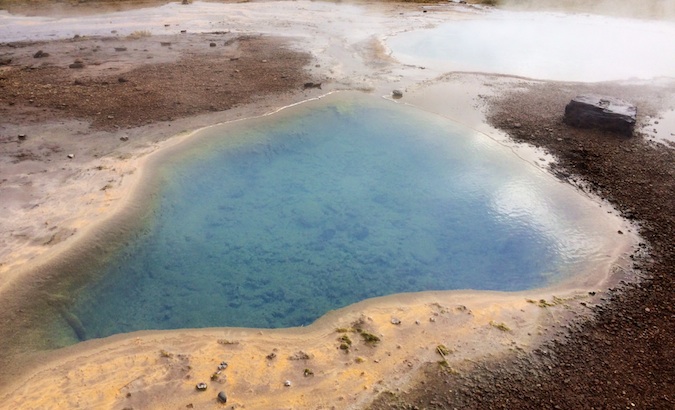
Gigantic sulfur pools at Geysir, that doesn't erupt anymore
Gigantic sulfur pools at Geysir. Geysir the geyser doesn’t erupt anymore, but the spot is still popular on the famous Golden Circle tourist trail outside Reykjavik.

Jökulsárlón ice lagoon in the southeast of Iceland
Jökulsárlón ice lagoon in the southeast of Iceland.

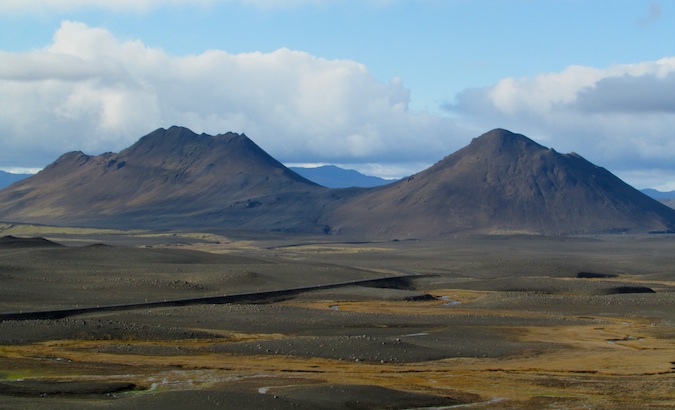
beautiful landscape on the way to Myvatn in the Icelandic north
Mordor… I mean, some beautiful landscape on the way to Myvatn in the north.

Huge natural body of water in Iceland
The color contrast in this photo blows my mind.

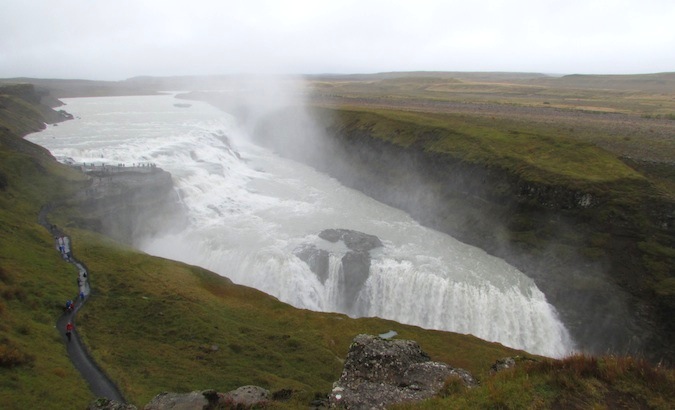
Gulfoss! Part of the Golden Circle, this is one of the biggest waterfalls in Iceland
Gulfoss! Part of the Golden Circle, this is one of the biggest waterfalls in Iceland. It was a really crappy day when I was there.

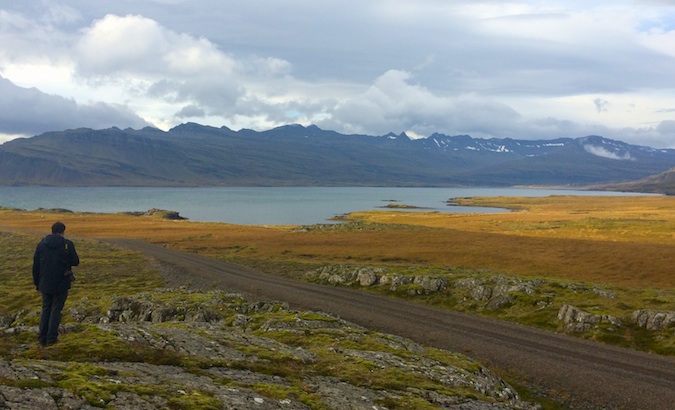
the stunning fjords of Iceland
Looking onto the fjords.

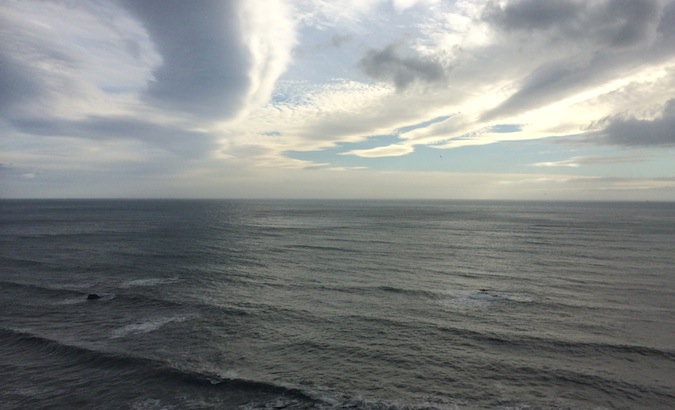
Beautiful clouds above the harsh sea on the eastern end of Iceland
Beautiful clouds above the harsh sea on the eastern end of Iceland.

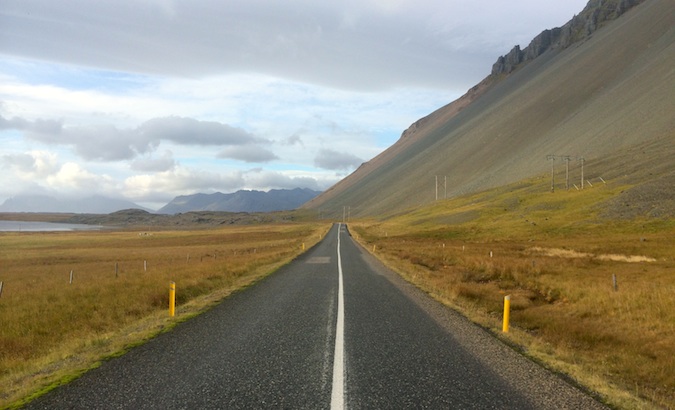
long roads on Iceland
The road is long in Iceland but it always takes you where you want to go.

Incredible magic photo of the northern lights as seen from Iceland
More northern lights. You can never get tired of these.

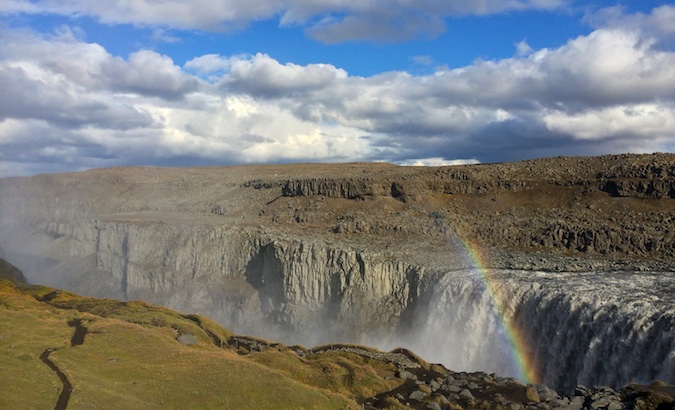
Dettifoss, the most powerful waterfall in Europe
Dettifoss. This waterfall is located in the north near Selfoss and supposed to be the most powerful waterfall in Europe.

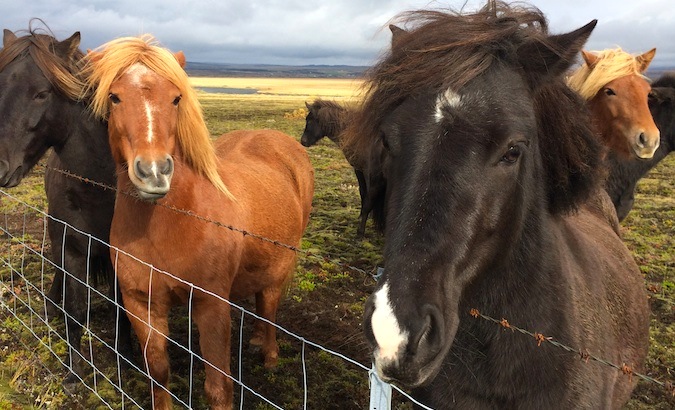
Icelandic horses with flowing manes playing around with each other
Icelandic horses playing around. (Look at that long, flowing hair! I wish I had hair like that!)

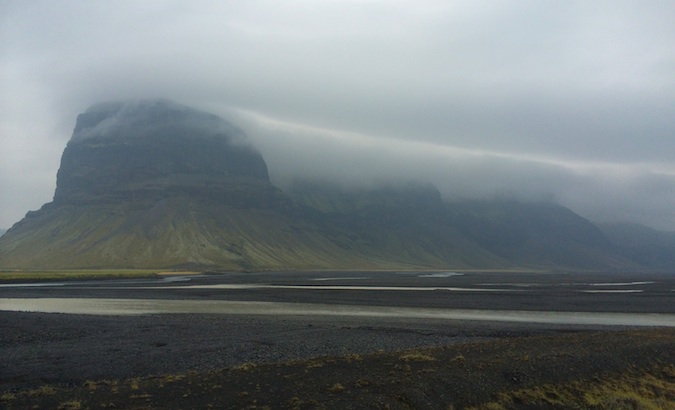
on a rainy day in southern Iceland, these gigantic mountains were covered in clouds
On a rainy day driving through southern Iceland, we came across these gigantic mountains covered in clouds. The photo doesn’t do the majesty justice but I still like it.

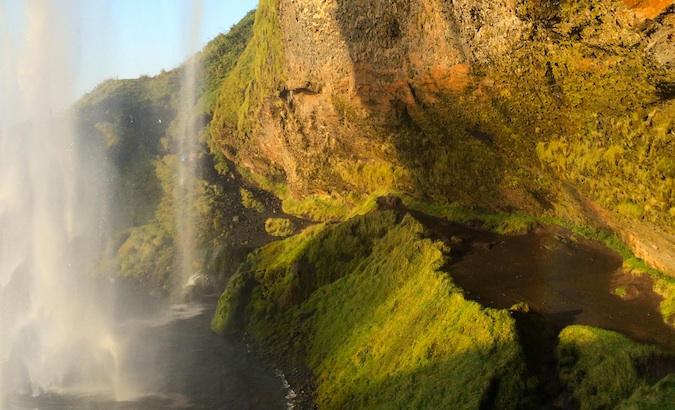
backside of Seljalandsfoss with excellent light, water, blue sky, and greenery
The backside of Seljalandsfoss. Out of all the pictures I took, this one is my favorite. I love the intermix of light, water, blue sky, and green here.

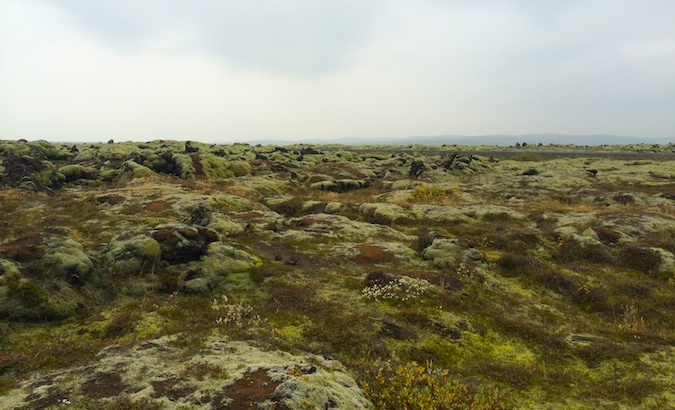
A moss-covered lava field in southern Iceland
A moss-covered lava field in southern Iceland.

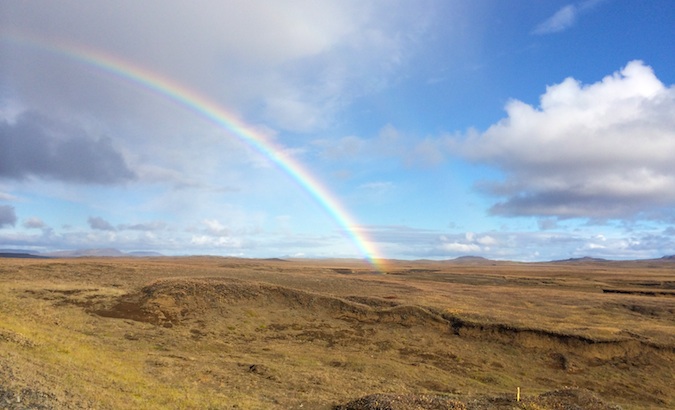
majestic glowing rainbow over Iceland seen during my travels
Iceland is the land of rainbows, and I was lucky enough to find the end of one. (No pot of gold though. It must have been on the other end!)

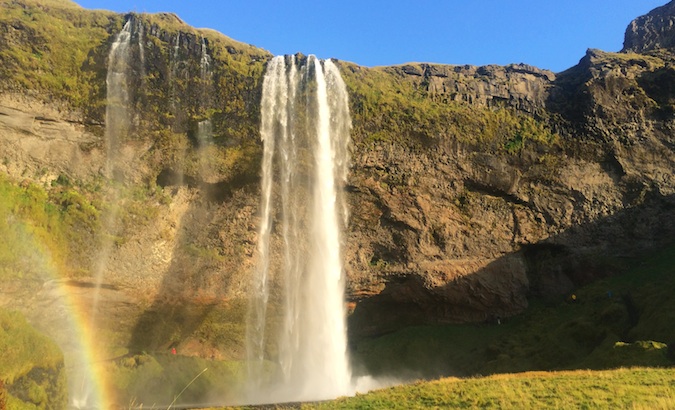
Front side of Seljalandsfoss with a Icelandic rainbow
Front side of Seljalandsfoss (rainbow included).

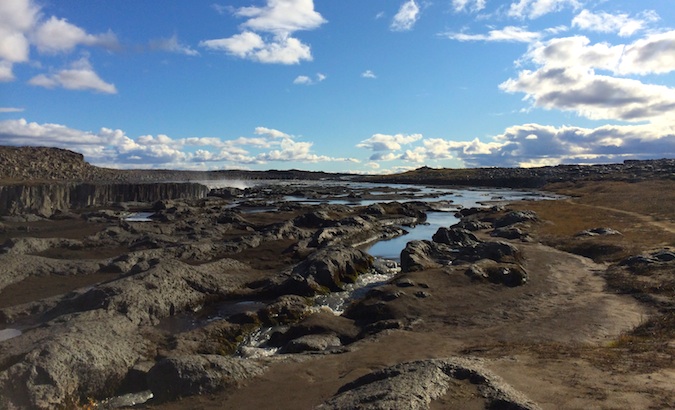
Little pools and lava rocks near Settifoss
Little pools and lava rocks near Settifoss.

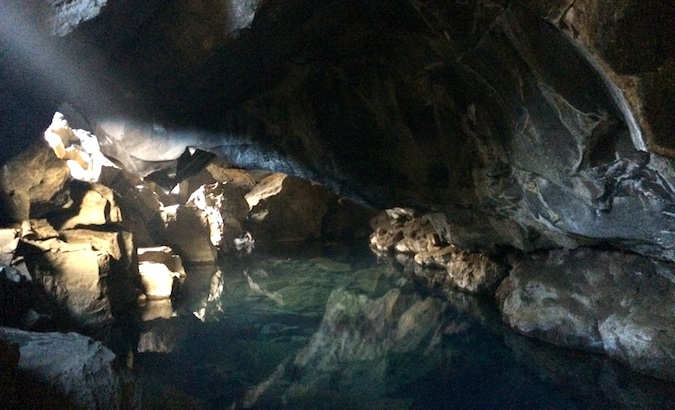
This water in the cave is warm enough to swim in and used to be a public pool for Iceland's locals
If you’re a Game of Thrones fan, you might recognize this cave as where Jon and Ygritte consummate their relationship. The water in the cave is warm enough to swim in and used to be a public pool.

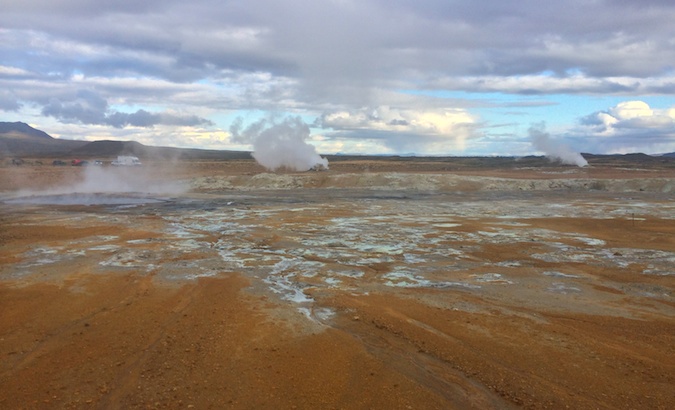
sulfur pool called Hverir with blue water and red earth
Another sulfur pool is Hverir. I like the contrast between the blue water and red earth.

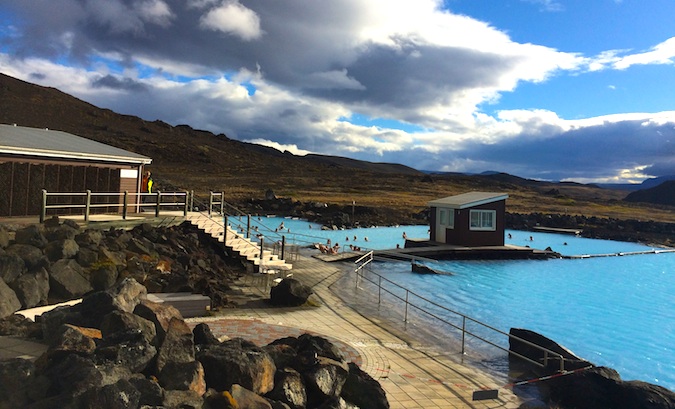
Myvatn Nature Baths like the blue lagoon in Iceland
Myvatn Nature Baths. Quieter and less expensive than the famous Blue Lagoon outside Reykjavik. I relaxed here by myself for over an hour.

Scenery while watching the Northern Lights from the country of Iceland
Northern lights. This was from early in the night when they were just starting to come out. No less beautiful.

I only managed to see a fraction of Iceland during my 11-day trip, but my visit lived up to my high expectations. No photo or movie I saw did it justice. It was even better in person, and I hope these photos inspire you to move Iceland up on your bucket list.

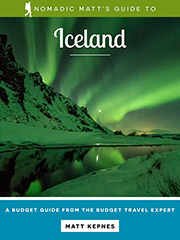
My In-Depth Budget Guide to Iceland

Nomadic Matt's Guide to IcelandLooking for more expert tips and awesome itineraries? Check out my brand new guide to Iceland! This two hundred page guidebook will help you get off the tourist trail, save money, and see the best of the country. You’ll see the local side of Iceland as I take you off the beaten path and give you my obsessively curated list of places to stay, eat, and things to see! Just click here to download it today!


Book Your Trip to Iceland: Logistical Tips and Tricks

Book Your Flight
Find a cheap flight to Iceland by using Skyscanner or Momondo. They are my two favorite search engines. Start with Momondo.

Book Your Accommodation
You can book your hostel in Iceland with Hostelworld. If you want to stay elsewhere, use Booking.com as they consistently return the cheapest rates. (Here’s the proof.)

Don’t Forget Travel Insurance
Travel insurance will protect you against illness, injury, theft, and cancellations. I never ever go on a trip without it. I’ve been using World Nomads for ten years. You should too.

Need Some Gear?
Check out our resource page for the best companies to use!

Want More Information on Iceland?
Be sure to visit our robust destination guide on Iceland for even more planning tips!

Love, Fear, and a Chance of Drowning with Torre DeRoche

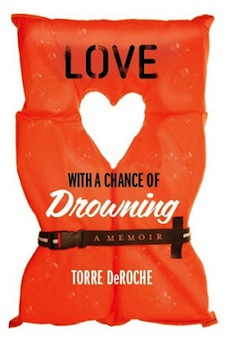
torre derocheDid you ever read Eat, Pray, Love? Did you like it? I didn’t — and when I saw the movie on a flight, I wanted to throw a shoe at the screen. I’m not really a “chick flick” movie guy (exceptions: Love Actually and The Notebook, two great movies). But then my friend Torre DeRoche published her love story, Love with a Chance of Drowning, about meeting the man of her dreams and sailing across the Pacific despite an intense fear of the ocean.

To my surprise, I really enjoyed the book. It was less of a love story and more of an adventure story about getting over your fears. I found the book to be descriptive, funny, and inspiring. (Also, she is a much better writer than I am.) So today, I virtually sit down with Torre to learn how a girl who was afraid of water sailed across an ocean with a man she met at bar.

Tell us your story. How did a girl afraid of water end up on a boat?
In my mid-twenties, my life in Melbourne had stagnated, so I quit my job and booked a one-way flight to San Francisco. Not long after I got there, I met a man in a bar who had a humble boat and a ready-to-go plan to set sail. Since I’ve always been terrified of the ocean, I had no interest in his adventure, but he was fun to be around so I kept seeing him.

Over many months, he charmed me with pictures of the remote islands of the South Pacific, and I found myself wondering what it would be like to reach such a paradise by the power of the wind.

Curiosity got the better of me, and I grew excited by the challenge of facing my fear. I was also in love. So I decided to jump aboard and island-hop across the Pacific to Australia on a leaky, 32-foot boat.

For that matter, how did an Australian girl who doesn’t like water fly over an ocean to end up in California?
I was scared of a lot of things: the flight over, starting from scratch, loneliness, finding a job and a place to live, making friends, and getting by on what little savings I had. But I forged ahead because I had always wanted to live in the US, and because I felt that if I didn’t face my fears and go, I’d be sentencing myself to a predictable, boring life.

You weren’t afraid of ending up on the “Lost” island?
When you’re floating mid-Pacific in a boat that’s smaller than a bedroom, you’re far too vulnerable to let yourself get worked up about fictional stories. It was the creepy, real-life threats that I feared, like freak waves, white squalls, or orcas attacking and sinking the boat (yes, this really happens!).

When did you get over your fear?
After we spent 26 days at sea sailing from America to the Marquesas, I felt pretty invincible. I was still nervous about deep water and long sea passages (see above for reasons why), but the throat-clenching, phobic fear that I’d felt at the start of the voyage was gone.

love with a chance of drowningWith your book Love with a Chance of Drowning, how did you go from self-publishing to being published by a traditional publishing house?
I queried agents for six months and, after having no luck with that, I decided to self-publish. A couple of weeks after launching, I received a Twitter message from a Hollywood producer who had chanced upon an excerpt of my book through a series of random clicks. He wanted to know if the film option was available.

A month after self-publishing, I received two offers: one from the UK publisher and one from the Hollywood producer. Armed with two offers, it took me about four days to sign with a New York agent. From there, the book went to auction, and we quickly sold to five publishers around the world. The film rights were also optioned.

What’s life like now as a big-time author?
I’m hand-fed caviar and peeled grapes around the clock by an entourage of Herculean men in leather thongs. No, that’s a lie. Life as a published author is exactly the same, only with a vague understanding that a bunch of strangers are reading my words right now.

I’m asked to sign books, which never stops being strange. At a book event, someone said to me, “Could you please write a little piece of wisdom in my book?” I’m not very skilled at wisdom-on-demand, so after a long, thoughtful pause, I wrote, “Thanks for coming tonight.” Whoa — watch out, Dalai Lama!

I always find it weird people want my signature too.
It really makes me wish I’d invented a cooler signature.

What do you want people to get out of your book?
On its most basic level, Love with a Chance of Drowning is a lighthearted, fast-paced travel memoir that takes the reader across the Pacific Ocean via a string of remote islands aboard a leaky boat. It’s a love story set on a sailboat, but it’s not just for armchair travelers, sailors, and romantics.

At its heart, it’s a book about going up against fear and taking big risks. If you have the courage to step outside your comfort zone with an open mind and an open heart, the world and its possibilities becomes infinitely larger. Big risks yield big rewards.

It may force you to question your own life decisions, it may give you the inspiration you need to embark on your own scary adventure, or it may simply take you on a hair-raising boat trip through the South Pacific with a terrified woman and her clumsy-but-lovable Argentinean boyfriend.

Is there a movie in your future?
Somewhere in Hollywood, Love with a Chance of Drowning is being adapted into a script right now. If all goes to plan, there will indeed be a film. Watch this space.

What were some of your top three moments sailing the pacific?

  1. Smelling land for the first time after 26 days at sea.
  2. Meeting a beautiful 60-year-old woman who had been sailing for 40 years, and learning that she also had a fear of deep water. She taught me that adventurers are not always fearless, which inspired the name of my blog Fearful Adventurer.
  3. Being welcomed with huge bear hugs by islanders in destinations accessible only by boat. We were taken in like family.

I’ve always wanted to sail around the Pacific. How do you do it? What if I don’t want to buy a boat? Any advice?
There are a few ways to see the Pacific without having to buy your own boat:

  • The Aranui — This is a freighter ship that delivers food and goods to various remote islands around French Polynesia. It also takes passengers on its route through the Marquesas, the Tuamotus, and the Society Islands. The ship doesn’t stay in port long, but you’ll get to see many remote islands that can only be reached by boat.
  • Crew on someone else’s boat — A lot of sailors take on crew to help with the sailing and chores. Many of them want people with prior experience, but if you’re a particularly charming backpacker with the right attitude, you can hitch a ride across the Pacific on anything from a structurally questionable wooden boat to a Fortune 500 CEO’s mega-yacht. You may end up with a lovable captain, or a complete freak — but that’s all part of the adventure, right?
  • Charter a boat out of Fiji, Tonga, or Tahiti — There are a number of companies that offer charter boats. You can hire a skipper and crew, or you can bareboat. From Tahiti, you can sail a couple of days northeast to reach the Tuamotus. There you’ll find some of the most beautiful — and treacherous! — atolls in the world.

What would you tell a person who wants to try something new but who is afraid?
I believe that if you get that nagging urge to try something new and you find yourself hesitating because of fear, the only reasonable path to take is to follow through with it. If you do, possibilities will open up and you’ll get an incredible sense of empowerment from breaking down your own perceived boundaries. If you don’t follow through, the opposite will happen. Your world becomes smaller. You’ll lose faith in yourself. A little piece of you dies, and regret grows in its place.

And really, isn’t that a hell of a lot more scary than whatever it is that’s holding you back?

What’s next for you?
I haven’t figured that out yet! I’m so focused on trying to get through this wild adventure of writing and publishing a book that I haven’t yet had a chance to plot out my next moves.

As far as writing goes, I would love to attempt fiction next.

For more of Torre, you can visit her website, Fearful Adventurer, and you can get her book on Amazon or in your local book store (I highly recommend it!). There’s also her witty tweets on Twitter.

10 Tips to Help You Avoid Getting Sick When You Travel

I get a lot of questions about health care on the road – “How can I avoid getting sick? What need vaccines? What happens when I do get sick?” Since I’m not a doctor, I don’t like giving medical advice so I’ve asked Mike Huxley, a registered nurse and author of the blog Bemused Backpacker to write a few articles on health and safety when you travel. His first article focused on creating the perfect first aid kit. This article features easy ways to stay healthy on the road.

Getting sick is a part of everyday life, and being on the road doesn’t exempt you from that fact, especially when travel itself it exposes you to a whole new range of bugs, parasites, and environments. The fact of the matter is the longer you are traveling, the more likely you are to pick up a bug or two.

The key to minimizing the chances of this, however, is to actively combat the risk factors of becoming sick in the first place. The last thing you want to do is to expose yourself to any more risk than you have to. Prevention is far better than any cure.

Wash your hands

Outdoor sinks used to ask your hands and prevent illness
I know this sounds basic, but it is surprising how many people forget it, and as a nurse, the simple act of washing your hands has been drilled into me since day one of basic training as a key component in infection control. The National Health Service (NHS) in the UK has had a huge impact on controlling infection in a clinical setting simply by reinforcing the importance of washing your hands, but the same is true for every aspect of day-to-day life, and traveling the world is no exception.

Hand hygiene is essential to stop the spread of infection and can dramatically reduce your chances of diarrhea, vomiting, food poisoning, gastroenteritis, flu, norovirus, MRSA, or even hepatitis A.

Many travelers carry small bottles of hand gel, and these are great as a backup, but they aren’t a replacement for good old soap and water. Wherever possible, wash your hands under hot water for at least thirty seconds before and after eating and always after going to the toilet.

Drink bottled water

Two bottles of water in the green grass
When you can’t be sure of the purity of the local water or you are traveling in areas where sanitation is not that great, then it should go without saying that you should avoid the local tap water. Even if locals drink it without any problems, your stomach may not have the right bacteria to protect you from becoming ill, avoid local water — even ice in your drinks — in countries that don’t purify their tap water.

I recommend that at the very least you should always drink bottled water and double-check that the seal is intact on the bottle top too (a common scam is to sell bottles refilled with tap water). It is also a good idea to use bottled water to brush your teeth. But personally I prefer to use a water bottle with a built-in filter as this reduces the need to buy bottles of water constantly, saving both money and the environment.

Be careful of food contamination

Thai feast of fish and noodles at an outdoor restaurant
Food contamination is one of the biggest causes of traveler’s diarrhea and gastrointestinal problems on any travel adventure. If you are not careful with your food on your travels, you could potentially be exposing yourself to diarrhea, E. coli, Shigella, Salmonella, Giardia, Entamoeba hystolytica, Campylobacter, Cryptosporidia, Cyclospora, cholera, and much more nastiness.

You should always ensure — as much as is practicably possible — that any food you eat is fresh, cooked thoroughly, and served piping hot.

I love street food for this very reason, as you can see how clean the cooking environment is, and the food is often prepared right in front of you. But look out for signs of good hygiene practice at any street food stall or food court you eat at. Does the person handling the food wear disposable gloves and change them frequently? Is there a separate person handling the money or, at the very least, does the person cooking the food remove and replace gloves every time they handle cash? Is hand washing a regular occurrence? Is raw food left out in the open or is it stored correctly? These things may seem inconsequential but they are important.

You may want to avoid — or be very careful of — the following:

  • Salads that may have been prepared in local untreated water
  • Raw fruit and vegetables that you haven’t peeled or skinned yourself (if you have, they are generally fine)
  • Food that has been left out and exposed for a period of time
  • Food that is shared, such as in buffets undercooked, raw, or reheated food, especially meat, fish, or rice.

You probably aren’t going to avoid a bit of stomach upset completely on your travels — especially if you are traveling long term — but if you are aware of good food hygiene practices and follow them as much as possible, then you can at the very least minimize the risk of becoming ill.

Don’t be afraid of having familiar food

Man sick in bed with food poisoning during his travels
Eating local food and delving into the local cuisine is one of the absolute true pleasures of traveling and one you should never miss out on, but that said, a degree of common sense is needed too. Jumping straight into a diet of spicy curries or predominantly red meat is a good way to ensure some form of gastrointestinal upset if your stomach isn’t used to it.

Food intolerances happen when your gut can’t properly digest the food you’ve eaten, or you’ve introduced something completely new and different to it, which can irritate the digestive tract and lead to stomach pain, cramps, gas, diarrhea, vomiting, and heartburn. Don’t worry — this generally isn’t serious and will pass relatively quickly. The trick to trying new foods and new cuisine is to mix it up a little bit.

If you have a sensitive stomach, take it easy at first and don’t be afraid of eating familiar food from time to time.

Try and stay active

Man who climbed to the top of a mountain overseas
One of the best ways to stay fit and healthy and fight off unwanted infections is exercise. The benefits of exercise are well known and well documented: it improves your overall health and well-being and strengthens your immune system, which makes you less susceptible to illness. And if you do get sick, your body is better able to fight off the infection and more quickly get you back on your feet. It isn’t foolproof, of course, because fit people still get sick, but in general the fitter you are, the better your body will be at shrugging off that annoying bug or illness. I always try and maintain a healthy lifestyle, and that doesn’t change because I am traveling.

If you aren’t active or fit before you start traveling, use it as an excuse to start! Go on a jungle trek, go hiking into the countryside or up a mountain, swim in the sea, go for a jog — whatever tickles your fancy as long as it gets you a little out of breath.

Protect yourself against the sun

Sun shining through tall plants
Sunburn can seriously ruin a good travel experience! I got very badly sunburned years ago in Thailand after snorkeling for too long and forgetting to reapply sun cream. It is not an experience I want to repeat!

Current recommendations on sun protection say you should use a minimum of factor 15, though I recommend at least SPF 30.

Protecting yourself from the sun goes beyond getting bad sunburn though. You should also stay well hydrated if you are traveling in a country or region with a hot or tropical climate, as well as cover up with loose clothing and even a hat or scarf. If you don’t, then dehydration can set in very quickly, and that can lead to more serious conditions such as exposure, heat exhaustion, and heatstroke, which if left unattended can become a medical emergency.

I once cut a day’s sightseeing short in Egypt when I spotted the signs and symptoms of heat exhaustion developing in another traveler and had to help her to get rehydrated and cooled down. It happens a lot more easily than many people think so be sensible, use sunscreen, cover up, and stay hydrated.

Get vaccinated

Backpacker getting vaccinated before he travels
Vaccinations are probably one of the most common travel health concerns that people ask my advice on in my capacity as a qualified nurse. There is no one-size-fits-all answer to those questions, however, due to the unique nature of individual circumstances, but there is one universal constant: If you can protect yourself, it is a good idea to do so.

Prevention is always better than the cure, and nothing is better at protecting you from the risk of getting a disease than being vaccinated against it.

Not all vaccinations are required for every individual for every trip, and a lot depends on what vaccinations you have already, what country or region you are visiting, and individual factors, such as your personal medical history, how long you will be traveling, and what you will be doing. This is why it is essential that you get one-on-one personal advice from your local travel clinic, nurse specialist, or physician before you travel.

To give you a basic understanding of the types of vaccinations you will need, however, they are often broken up into three distinct categories:

  • Routine vaccinations are the ones that everyone gets throughout their childhood and early adult life; specific schedules (and sometimes the vaccine administration itself) do differ from country to country, but these generally include the BCG vaccine, the pneumococcal conjugate vaccine, and vaccinations for diphtheria, tetanus, and pertussis (DTP); hepatitis B; hepatitis A (for at-risk groups); Haemophilus influenzae type b; rotavirus; measles, mumps, and rubella (MMR); and HPV (for young girls only, to prevent cervical precancers and cancers). It is important that you are fully up to date with all of your routine vaccinations, including boosters, if you plan to travel. If you aren’t, then a health professional’s office should be your first port of call, before even departing.
  • Recommended vaccinations include all the vaccines that aren’t included in the routine schedule of your own country and are specific to travel to any given destination. These can include vaccinations for hepatitis A (if you don’t have it already), rabies, Japanese encephalitis, cholera, and typhus, among others.
  • Required vaccinations refer to vaccinations for yellow fever, meningococcal disease, and polio. Many countries where yellow fever is present will require you to have proof of vaccination before you are allowed in, and if you are heading anywhere else after traveling to a country where these diseases are present, you will need to show proof of vaccination — known as an international certificate of vaccination or prophylaxis (ICVP) — before entry.

Protect yourself from mosquito bites

Beds in Africa protected by mosquito nets
Mosquito bites are an absolute nightmare for any traveler. At best they will simply annoy you with painful and itchy welts, but at worst they can transmit a whole variety of diseases, such as yellow fever, dengue, Japanese encephalitis, and chikungunya, not to mention malaria.

Mosquitoes can be a problem in many parts of the world, but the Centers for Disease Control and Prevention (CDC), the World Health Organization, and the NHS’s Fit For Travel site are excellent places to find out where there are outbreaks of diseases such as dengue or malaria.

Even if you are in a low- to no-risk area, it is still a good idea to prevent mosquitoes from biting you in the first place, even if it is only to avoid the annoyance of painful bites. It should go without saying that the best thing you can do to protect yourself from being bitten is to use preventive measures:

  • Air-conditioned rooms are great for minimizing mosquito bites, as they are often better sealed and less likely to let them in.
  • Cover up. Wearing the right clothing is essential. Wear light, loose cotton clothing that covers most of your skin, especially around peak exposure times and places, for example, near bodies of water or at twilight or after dark, the peak time for malaria-carrying mosquitoes to feed.
  • Sleep under permethrin-coated nets where necessary.
  • Use anti-mosquito coils and plug-in devices where appropriate.
  • Always apply a good dose of 30–50% DEET spray, and reapply it regularly. Some people prefer more natural alternatives, but these are often not as effective or are often not clinically proven to be effective at all.

It is important to remember that none of these methods is completely foolproof. You can do everything right and still get bitten. I once caught dengue fever in India despite taking all the usual preventive measures, and it was one of the most unpleasant travel experiences of my life. It isn’t nicknamed “breakbone fever” for nothing! However, you can always minimize your risks with the tips above.

Take antimalarials when necessary

Adult hand holding pills to take on the road
As a nurse I advise people on taking antimalarials all the time, and one of the biggest problems is the huge amount of misinformation and fear there is surrounding this issue.

Basically speaking, if the area you are heading to is considered a high risk for malaria then yes, antimalarials are usually strongly advised. If you are visiting an area that is a low to no risk, then antimalarials aren’t usually advised.

Antimalarials are medications, and like all medications they have side effects. There isn’t one type of antimalarial; there are a variety of prophylaxes available, each of which has a range of common and rare side effects.

The most important thing to remember, however, is that each antimalarial affects different people differently. Just because one person develops side effects, that doesn’t mean the next person will. In fact, the people who suffer from severe side effects are in the absolute minority. A lot of people will only suffer mild side effects, and most will have none at all.

Now, knowing when they are necessary and when they are not is a different matter, and a lot of different factors have to be taken into consideration. These factors include the following:

  • The level of risk in your destination
  • The time of year you are traveling
  • Whether there are any current outbreaks
  • How long you are staying in any high-risk areas
  • What you will be doing (spending extended time in rural areas or cities, spending time near bodies of water; other high-risk factors, etc.)
  • Your personal medical history
  • Past experience with antimalarials

Make an appointment with a travel health professional

Health care professional giving a shot to a traveler overseas
It is important that you discuss your plans with a health professional well before you head off on your ‘round-the-world adventure. Many travelers instead leave it until the last minute. Too many people contact me for an appointment at my travel clinic a week before they leave not realizing that vaccinations may need to be timed weeks apart!

The average recommended time to see a health professional is 6–8 weeks before you leave, but personally I would aim for a little earlier than that, especially if you will think you will need more than one vaccination or if you have specific health concerns. The worst that will happen is that you will get an appointment closer to your time of departure if it is determined that you don’t need that amount of time to get things sorted.

******
These very simple steps will dramatically reduce your risk of getting ill abroad, but they are often so simple that many people overlook them. Before you set off on your trip of a lifetime, take a moment to think about your health and prepare properly. That way you will be able to enjoy your trip with peace of mind.

These very simple steps will dramatically reduce your risk of getting ill abroad, but they are often so simple that many people overlook them. Before you set off on your trip of a lifetime, take a moment to think about your health and prepare properly. That way you will be able to enjoy your trip with peace of mind.

Remember that these are general health tips only, and while they are written by a qualified nurse, they are no replacement for a consultation with your travel health nurse or physician, where individual health concerns can be discussed based on your personal history.

Michael Huxley is a registered nurse from the U.K. (who is especially interested in emergency nursing and travel medicine) and writes about his travels on his blog Bemused Backpacker. There he blogs about backpacking, sustainable travel, and health related issues. It’s an awesome blog! Michael is also an active moderator in our community forums.

Important Note: The information provided here is for general travel health advice and information only. It is provided by a qualified nurse, but it is not a replacement for a personal consultation with a travel nurse specialist, your GP, or a doctor specializing in travel medicine who can tailor advice to your individual medical history and needs.