
 Updated: 8/5/2019 | August 5th, 2019
I’ve been to Thailand more times than I can count. I’ve lived in Bangkok twice, I’ve run tours through the country, and if I stay away for more than a year, I feel as if a piece of me is missing.
I love visiting Thailand.
It holds a special place in my heart.
People often ask me why I return to places I’ve already visited instead of exploring somewhere new. Well, that’s an easy answer: because I feel attached to them. I feel at home when I’m visiting them.
And Thailand is probably the one place outside of the U.S. where I feel most at home.
And why do I love Thailand so much?
Here are ten reasons why Thailand is one of the best countries in the world to visit – and what you can look forward to when you travel there:
1. The delicious food

When people say they like Thai food but haven’t been to Thailand, I can’t help but think, “You’ve never really experienced Thai food.” Thai food in Thailand is leagues better than anywhere else in the world. The spices, the fragrances, the variety of flavors. Your mouth dances with flavor when you eat here. There are dishes and styles in the country that you simply can’t get anywhere else.
All over the streets of Thailand, outdoor stalls serve up the cheapest and best meals you can find. You’ll be hunched over a bowl of noodles next to a little kid, office worker, and bank president. Street food in Thailand is the great equalizer and fundamental to Thai culture. And no matter what time of the day it is, there’s always food available somewhere.
Moreover, Thailand has world-class international food (and a few Michelin starred restaurants) thanks to the hordes of tourists and expats that come here. Some of my favorite sushi restaurants are in Bangkok, and you can find amazing halal and Indian food in the downtown Sukhumvit area.
Thailand is a foodie’s wet dream.
2. The warm weather

I love the sun a lot (much to my mother’s and my dermatologist’s dismay). I think after shoveling snow in Boston for the vast majority of my life, I gravitate to the sun because, in the tropics, there’s no snow. I love the heat, and the fact that it’s always hot and humid in Thailand appeals to me. It’s never “jacket” weather here.
(OK, that’s not entirely true. In January, I do wear a jacket. It gets pretty close to 20° C here. You can always tell the expats from the tourists in Bangkok because the expats are the ones wearing sweaters and jackets in January. I once had a friend visit me and I refused to turn on the A/C in my apartment. It was far too cold for that!)
3. The friendly locals

Thais are some of the nicest people I have ever met. They’re always happy, always smiling, extremely polite, and always helpful. They’ll help you out if you’re in trouble and help translate for you if you can’t speak Thai. They treat you well, and whenever I come back here, the local shop owners whose stores I frequent greet me with a warm smile and a big hug. Once a friend, always a friend. I always feel safe in Thailand. Thailand is one of the few countries I feel comfortable leaving my laptop out while I go to the bathroom.
4. It’s the perfect travel hub
Thailand is smack-dab in the middle of everything. It’s three hours to Hong Kong, two hours to Singapore, four hours to Bali, and half way between Australia and Europe. You can get to a lot of places easily from Thailand, which, for a traveler like myself, is really appealing.

5. The postcard-perfect tropical islands

I love the beach. I can sit on the sand and go for a swim for hours upon end. While Thailand has been developed for years and many of the best beaches have been ruined through uncontrolled development, you can still find some pristine, picture-perfect islands and beaches around the country.
I particularly love Ko Chang, Ko Kood, Surin Island, Ko Adang, and Ko Lanta. The best islands are down south near the Malaysian border. They all look like the above picture.
As long as you avoid the super touristy and overdeveloped beaches (and there are many), you’ll find the postcard perfect beaches you’ve already dreamed of!
6. The lush jungles

As much as I enjoy sitting on the beach, I also love to hike through jungles, and Thailand has some of the most beautiful and lush ones I’ve seen. From the jungles and elephants in Khao Yai National Park, to the famed lake of Khao Sok in the south, to the famous jungle and hill tribe treks near Chiang Mai, you can get your tropical jungle fix very easily here.
They may not be the wild and untamed jungles of some places in Borneo or the middle of Africa, but they still offer amazing views, dense forests, waterfalls to cool off in, and an interesting variety of wildlife.
7. The international environment

Thailand is a country where you can get as local or foreign as you like. Because of all the tourists and expats who live here, the country is very cosmopolitan and international. There are global food chains, international restaurants and stores, Starbucks, and Hollywood movies.
Thailand is a melting pot of people, and you’ll find people from around the world. I’ve made friends here from France, Germany, Argentina, Australia, New Zealand, Japan, and Israel, just to name a few.
8. The convenience
Thailand is convenient. Hungry at 3:30am? There’s someone around to sell you food. Need to take a bus to Vietnam? That can be easily arranged. Need to go shopping at some strange hour? There’s a store open. Pharmacy at 2am? Got that too. Thailand is just an easy place to live and move around in. And in Bangkok, you never have to wait for a taxi.
(HEY! Are you planning a trip to Thailand? Don’t forget to check out the book I wrote about the country. Click here to travel it like a pro!)
9. Bangkok

I hated Bangkok the first few times I traveled there. It wasn’t until I moved there that I fell in love with it. Bangkok, it turns out, is an easy city to live in. There’s lots to do, plenty of events, great bars, and amazing food (see above), and it’s easy to get around (except during rush hour). I love cities where there’s always something to do. No matter what time of the day or day of the week, you can always find something to do in Bangkok.
I began to love Bangkok when I got know it beyond the temples and the tourist trail. When I found hidden markets and amazing street stalls frequented only by locals, became friends with residents, and understood how it operated, I knew why people loved Bangkok so much.
Bangkok is not a city for tourists.
It’s for residents.
Take some time here and enjoy it!
10. It’s cheap!
Thailand is cheap to visit and cheap to live in. Yesterday, I spent $4 USD for all of my food for the day, including some drinks and snacks. Most food from the street vendors costs $1. I can get a private room for $10 USD per night or a bungalow in front of the beach for $15–20 USD. An apartment in downtown Bangkok costs $300 a month, and it’s still bigger than what I need. Thailand simply offers incredible value for your money.
A few years back, I was telling my friend that after a month bouncing around the islands, I had spent around 40,000 baht ($1,400 USD). He was shocked! “How the hell could you spend so much money in one month!” he exclaimed.
If you’re traveling here on a backpacker’s budget, you can get by for about $30 USD a day!
***When people ask me what my favorite country is, I always say Thailand. Though I wonder how you can pick a favorite country. Each one is amazing in its own right. No country is really better than another, just different. However, Thailand has a special place in my heart. We have a long history together. I’ll always return to this country.When people ask me what my favorite country is, I always say Thailand. Though I wonder how you can pick a favorite country. Each one is amazing in its own right. No country is really better than another, just different. However, Thailand has a special place in my heart. We have a long history together. I’ll always return to this country.
If you’re looking to visit Thailand, here are some resources we have to help you:
Book Your Trip: Logistical Tips and Tricks
Book Your Flight
Find a cheap flight by using Skyscanner or Momondo. They are my two favorite search engines because they search websites and airlines around the globe so you always know no stone is left unturned.
Book Your Accommodation
You can book your hostel with Hostelworld. If you want to stay somewhere other than a hostel, use Booking.com as they consistently return the cheapest rates for guesthouses and cheap hotels. I use them all the time.
Don’t Forget Travel Insurance
Travel insurance will protect you against illness, injury, theft, and cancellations. It’s comprehensive protection in case anything goes wrong. I never go on a trip without it as I’ve had to use it many times in the past. I’ve been using World Nomads for ten years. My favorite companies that offer the best service and value are:
- World Nomads (for everyone below 70)
- Insure My Trip (for those over 70)
Looking for the best companies to save money with?
Check out my resource page for the best companies to use when you travel! I list all the ones I use to save money when I travel – and I think will help you too!


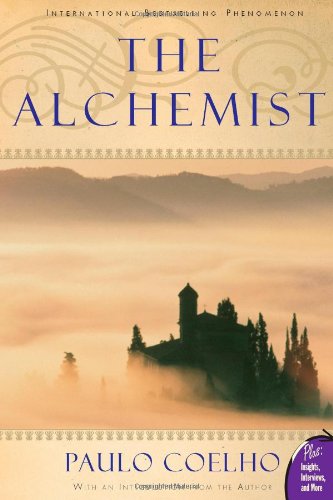 A books about following your dreams, this is one of the most-read books in recent history. The story follows a young shepherd boy from Spain to Egypt as he follows his heart, goes with the flow, and learns love and the meaning of life. The book is filled with wonderful and inspirational quotes. My favorite: “If you can concentrate always on the present, you’ll be a happy man… Life will be a party for you, a grand festival, because life is the moment we’re living right now.” I’ve read this book multiple times and it always cheers me up and inspires me to keep reaching for my dreams. I can’t recommend this book enough. It will move you.
 This book is written by travel blogger Torre DeRoche, and, while I normally don’t like “chick travel love stories”, I couldn’t put this one down. It’s a beautifully written book about overcoming her fear of the ocean to sail across the Pacific with her boyfriend. The way she describes the scenery, the people, and her experience makes me want to follow in her footsteps. It’s powerful, vivid, and moving. It’s the best travel book I’ve read all year. Here is my interview with her from earlier in the year.
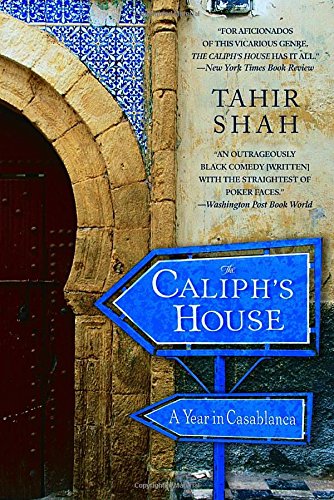 Inspired by the Moroccan vacations of his childhood, Shah decides to buy a house in Casablanca. He moves his family from England in hopes of breaking out from the monotony of life in London as well as exposing his children to a more carefree childhood. I randomly picked this up in a bookstore and couldn’t put it down. Shah is an engrossing writer and I was glued to every word. While dealing with corruption, the local bureaucracy, thieves, gangsters, jinns causing havoc, and the hassle that seems to come with even the most simple interactions, Shah weaves a story that is simply one of the best I’ve read all year. It’s beautifully written and endlessly enthralling. You must go buy this book!
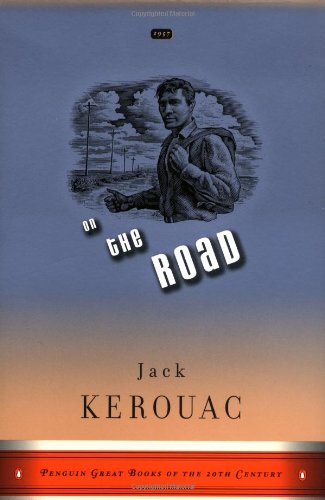 Written in 1957, Jack Kerouac’s Beat Generation classic is a timeless travel novel. The story follows his character, Sal, as he leaves New York City and heads west, riding the rails, making friends, and partying the night away. The main character’s frustration and desire to see the world are themes that can resonate with many of us. What I especially love about this story is that through all his travel adventures, he becomes a better, stronger, and more confident person. I can personally relate to that.
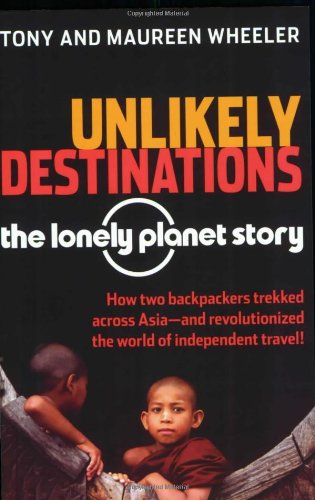 Written by the founders of Lonely Planet, this tome chronicles the start and rise of the company whose guidebook is probably in your backpack or on your bookshelf right now. The story follows them from England in the 1970s to the beginning of the 21st century. In between, you hear all their travel tales and learn about their early business struggles. While the book drags in some parts, it is ultimately a fascinating read about the company that helped start the travel guidebook industry and forever changed how we travel.
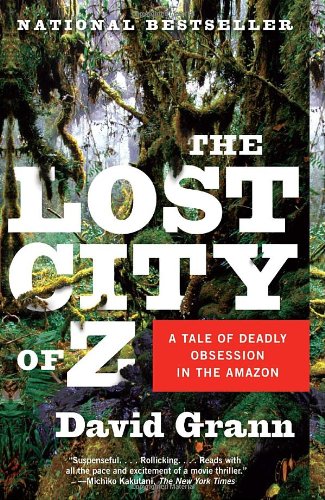 This book seeks to find out what happened to another South America explorer: Percy Fawcett, who trekked through the Amazon jungle in search of the fabled lost city of Z. Blending history, biography, and travelogue, Grann intermingles information about Percy’s life and expeditions with the science behind the myth of Z and the possibility that there could have been vast advanced civilizations in the Amazon. The book reminded me of Turn Right at Machu Picchu: modern writer follows fabled explorer through the jungle. I learned a lot about the region and history of the cultures that inhabited the land long before Westerners came stomping about killing people.
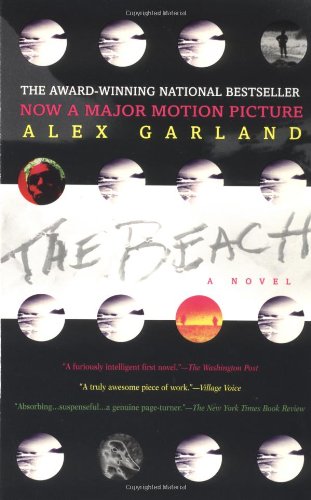 Besides The Alchemist, this is probably my favorite travel book. (I like the movie too, but the book is way better.) What I love about Alex Garland’s tale about backpackers and their search for paradise is that you can identify with Richard and his quest to “do something different and get off the beaten path,” but in the end see that as an illusion. It’s also a good tale about how backpackers’ search for the ideal can end up ruining that ideal. I love this book a lot — I’ve read it twice. Now that I am writing about it again, I think I might re-read it soon.
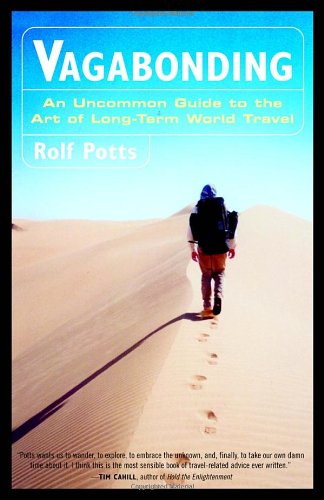 Written by the godfather of vagabonding, Rolf Potts, this book is a must-read for those new to long-term travel. Rolf spent 10 years on the road (he even walked across Israel), and his book contains valuable insights, interesting quotes, and a lot of practical information. From saving to planning to life on the road, this is a must for newbies. It’s an inspirational book and one that really affected me when I was planning my trip. It delves deeply into the why and philosophy of long-term travel that no other book has come close to doing. His book was re-released and I interviewed him about it.
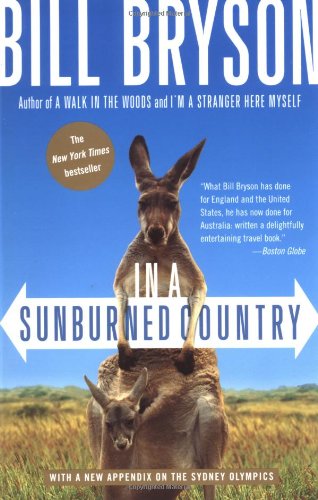 It’s hard to pick just one book by Bill Bryson that’s good, because they all are. He’s one of the most prolific and recognized names in travel writing. This book chronicles a journey through Australia and takes you from east to west, through tiny little mining towns, forgotten coastal cities, and off-the-beaten-path forests. Bryson includes lots of trivia in his tale as he travels around in awe — and sometimes in fear (thanks to box jellyfish, riptides, crocs, spiders, and snakes) — of this enormous country. This is the book that inspired me to go to Australia.
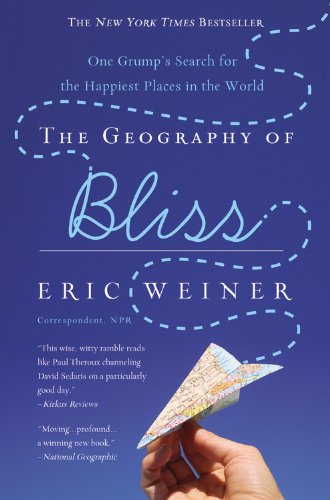 Writer and NPR correspondent Eric Weiner set out on a yearlong journey to find the world’s happiest places. He heads to places like Iceland, Qatar, Denmark, India, and Moldova (the world’s most unhappy place) on his quest, and while he never finds the secret to happiness, his journey makes for an amazing and lighthearted read. In trying to answer the question “what makes a society happy?,” Weiner has some interesting interactions with locals and the cultural experiences.
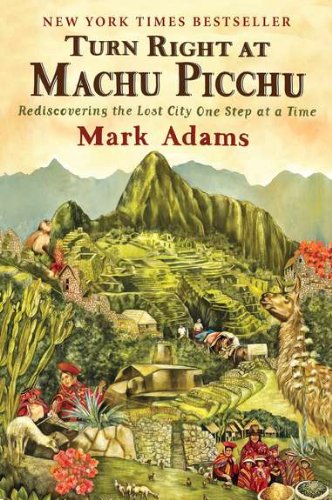 This book recounts Adams’s tale of roughing it through Peru in search of Inca ruins and ancient cities while following archaeologist Hiram Bingham’s original route. The book taught me a lot about Peru, and I am inspired to visit a lot of the sites Adams explored on my trip there next year. Like him, I fully plan to turn right. It was the best travelogue I’ve read in the past year and has inspired me to visit a lot of the places he did in the book. Further reading: Check out my interview with Mark from earlier in the year.
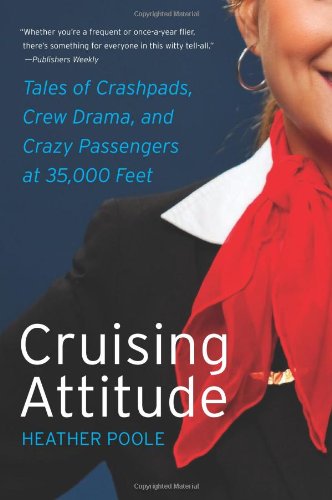 This book by Heather Poole is about life as a flight attendant. I, ironically, picked it up at an airport and read it on a plane. It’s a quick, light read about what it’s like to work at 35,000 feet. You learn crew terms, about training, dealing with pilots, and the day to day life that takes place up in the air. It had some funny stories and gave me a new appreciation for just how hard those flight attendants work and how much crap they have to put up with! I was lucky enough to talk to Heather about her book.
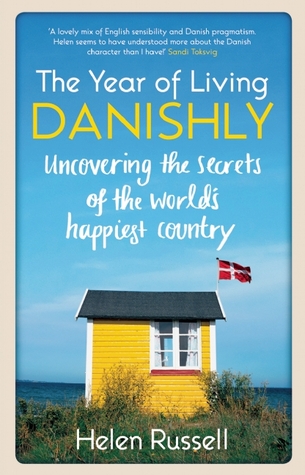 This was probably my favorite book of the year. When her husband gets a job at the Lego offices in Jutland, Helen Russell decides to head to Denmark with him, freelance write, and try to figure out why the Danes are so happy. From childcare, education, food, and interior design to taxes, sexism, and everything in between (turns out the Danes love to burn witches), Helen’s funny, poignant story kept me enthralled from start to finish. It’s informative, hilarious, self-deprecating, and tells a great story of someone trying to fit in. As someone who loves Denmark, has lots of Danish friends, and thinks Copenhagen is one of the best cities in the world, I couldn’t put this down. If you read just one book from this list, make it this one!
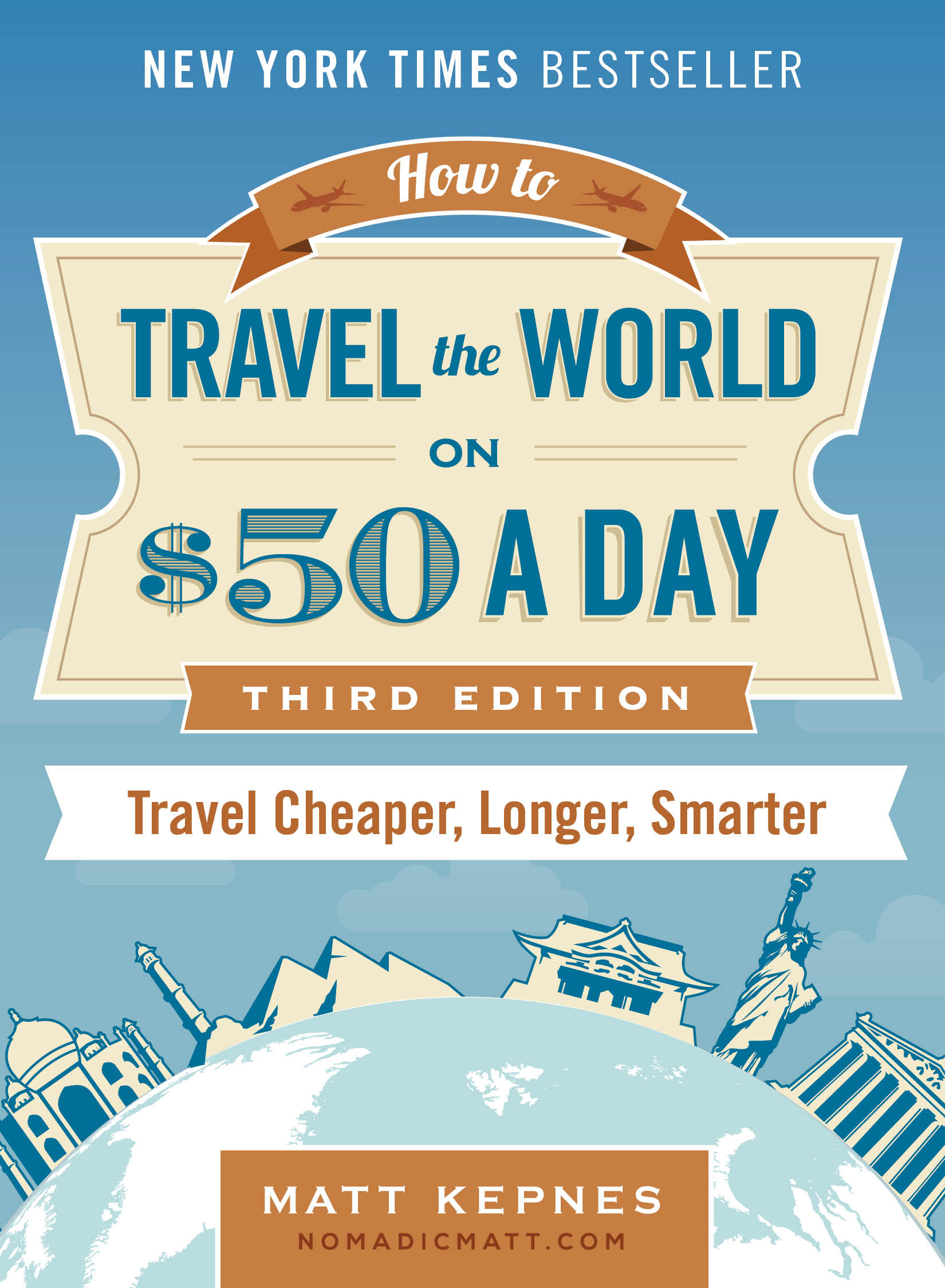 Ok I know I include this like in every list but my book is awesosme so you should read it. Thos New York Times best-selling book was called “The bible for budget travelers” by the BBC and will teach how to master the art of travel so you save money, get off the beaten path, and have a more local, richer travel experience no matter your destination. It features detailed pricing and destination information so you can travel better and know what to expect when you visit places around the world. Meant for anyone who wants to save money, the book contains everything I know about travel – and 10 pages of all my favorite companies!