Updated: 05/27/18 | May 27th, 2018
Europe. It’s an expensive place and prices vary greatly depending on how far north, east, south or west your travel. Europe covers a huge area of the world with multiple visa zones and multiple currencies. For 20 euros, you can get a private room in Greece. For that same price in Paris, you may get a 16 person dorm room. You can eat for a few euros in Spain or Hungary, but a sit-down meal in Italy will cost around 15 euros, and triple that in Norway!
I’ve been going to Europe for close to ten years now.
A trip to Europe isn’t cheap, but there are plenty of ways to cut down costs. Since Europe is so big, today I want to talk about traveling around Western Europe and the Eurozone countries.
One of the most asked questions I get is “how much does it cost to travel to Europe?”
Well, today, let’s talk about planning a trip to Europe!
How much do things cost?
Here are some general costs for things in Europe, because as I said, prices can vary a lot depending on where you are:
- Accommodation: In most Western European countries, expect to pay 25–35 euros per night for a dorm room. (Though in Greece and Spain, it’s only 10–20 euros per night.) In Scandinavia, expect to pay around 30–35 Euros per night. In England, prices are usually around 20–30 pounds per night.
- Food: Food costs vary as wildly as accommodation costs. Cheap fast food meals cost 9–15 euros, while restaurants meals cost around 15–25 euros. Nicer establishments will cost 30 euros or more. You can cook your food for a week for around 65 euros>.
- Transportation: The easiest way to get around Europe is by train. Trains connect every major part of Europe, and they’re often very cheap. High-speed trains, though, can cost over 100 euros. Try to get the regional or slow trains for cheaper prices! The rise of cheap airlines like Ryanair, EasyJet, and Transavia has made flying around Europe in a hurry really cheap. For flights, expect to pay around 50 euros if you book in advance. Transportation around most cities is only 1–2 euros.
- Activities: Most museums and tours start at around 14 euros. It’s cheaper, of course, in eastern Europe. Full-day tours cost 35–100 euros. Prices vary drastically per country, so it’s hard to give a good general cost of this budget item.
How to Save Money in Western Europe
- Picnic – Europe has a lot of tiny shops where you can be premade sandwiches or ingredients to make your own. Buy some food, eat outside, and watch the city go by. It’s a cheaper and more enjoyable way to eat.
- Eat Local and Cheap – Not into picnicking? That’s OK, there are other ways to save money on food. Eat at local sandwich shops, pizza parlors, Maoz, Wok to Walks, outdoor street vendors, and the like. Avoiding restaurants and eating at a lot of the local “grab ‘n go” places will give you a taste of the local cuisine at a much cheaper price.
- Couchsurf – Hostels can add up really quick in Europe. If you don’t have any friends you can stay with, consider using the service Couchsurfing, which lets you connect with locals who will let you stay with them for free.
- Fly Cheap – If you know where you’re going and a train won’t do, try to book flights early. You can often get one-euro fares from many of the discount airlines like Transavia, Easyjet, Air Berlin, and Ryanair. MORE: There are many cheap ways to get across Europe.
- Drink Less – Those five-euro beers really add up. Hit happy hour or pick and choose when you party. Hostel bars are a good place to get cheap drinks, or you can buy your alcohol at the supermarket. Partying your way across the continent will destroy your bank balance in no time.
- Take the Free Tours – One of the great things about Europe is that you can find free walking tours in all the major cities. They can be a great way to see the city attractions, learn some history, and get your bearings without spending any money. Almost every city in Europe has a free walking tour available. Your hostel or the tourism board will have details!
- Camp in a garden – A very good camping service specific is Campspace (formerly Camp in My Garden), which allows you to pitch a tent in someone’s backyard for free or a nominal fee (around 4-10 EUR). This is a new service that started in 2010 but more and more people are signing up for it each day. All of the garden owners have profiles that tell you what services and facilities they offer.
- Get a Rail Pass – Eurail Passes have saved me hundreds of dollars when I used them. If you are traveling far distances and through many countries, they are a great deal. Here’s more information how to pick a Eurail pass.
- Get a city tourist card – Local tourism offices issue a tourist card for all their attractions, tours, and restaurants. This card gives you free entry and substantial discounts on all the attractions and tours in a city, free local public transportation (a huge plus), and discounts at a few restaurants and shopping malls. They save a ton of money. If you plan on doing a lot of sightseeing, get one of these cards.
- Rideshare – Hugely popular and widespread in Europe, I did this to get around Switzerland, France, and UK. BlaBlaCar, the biggest website, connects drivers and riders and lets you get around much cheaper than a bus or train. Moreover, this way is amazing for getting off the highways, seeing more the countryside, and meeting locals. It’s money-saving and much more exciting than taking the train or bus!
What’s a good daily budget in Europe?

Recently, I went through Amsterdam, Greece, Italy, and Hungary. In 59 days of traveling, I spent 4,317 euros, which averages out to 73.17 euros per day. That includes a few flights, many a nice meal, too many drinks on Ios, a few nights of private rooms (it was my birthday, after all!), and some unexpected purchases (a jacket, a new iPhone charger, and new headphones).
So how much does it cost to travel Europe?
On a backpacker budget, if you were avoiding flights, occasionally Couchsurfing, staying in cheap dorms, and cooking most of your meals, you could average between 40-50 Eur per day. It would be a tight budget but you could definitely do it. One of the biggest costs in Europe is accommodation so reducing that cost will help a lot!
However, if you wanted some flexibility in your schedule, planned to eat out only stay in hostels, and visit a lot of places, plan for around 70 euros a day.
If you’re going to stay in only private rooms or Airbnb as well as eat at sit down restaurants every meal, I’d say budget closer to 100 euros to be safe.
***A trip to Western Europe can cost a lot of money. It’s never going to be a cheap area of the world to travel but with some smart money management and follow the tips in this post, Western Europe can become at least an affordable place to visit. Control your costs and you can be able to see anything!
Get Your In-Depth Budget Guide to Europe!
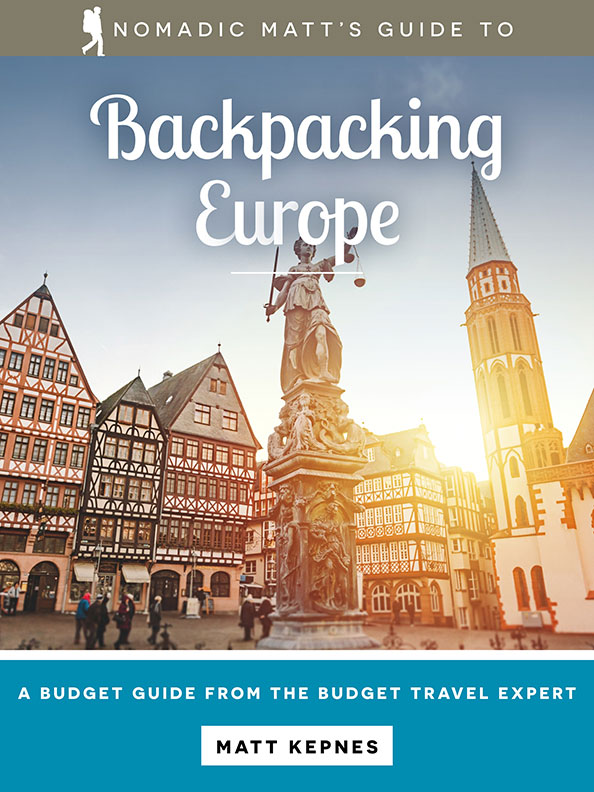 My detailed, 200+ page guidebook is made for budget travelers like you! It cuts out the fluff found in other guidebooks and gets straight to the practical information you need to travel and save money while backpacking around Europe. You’ll find suggested itineraries, budgets, ways to save money, on and off the beaten path things to see and do, non-touristy restaurants, markets, and bars, and much more! Click here to learn more and get started!
Also look at my other Europe guides:
View all my guides —>


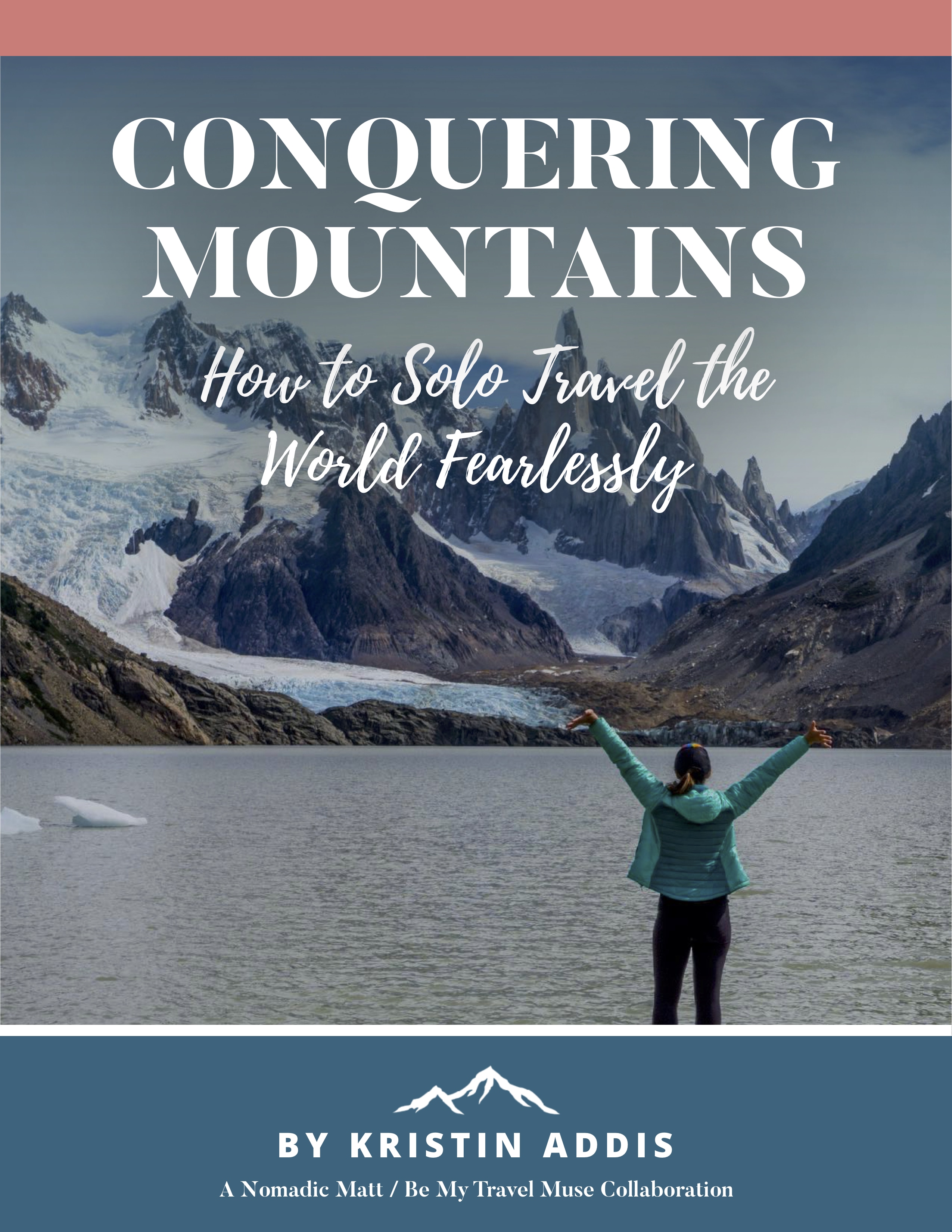 For a complete A-to-Z guide on solo female travel, check out Kristin’s new book, Conquering Mountains. Besides discussing many of the practical tips of preparing and planning your trip, the book addresses the fears, safety, and emotional concerns women have about traveling alone. It features over 20 interviews with other female travel writers and travelers. Click here to learn more about the book and start reading it today!
 When I first started thinking about traveling the world, I bought a book most of you have probably heard of: Vagabonding: An Uncommon Guide to the Art of Long-Term World Travel by Rolf Potts. It was a treatise on the personal and world benefits of travel, especially long-term travel. That book put into words all the thoughts and feelings I had about travel at the time and helped ease a lot of the fears I had about my decision to quit my job and travel the world.
 Posted: 12/10/2014 | December 10th, 2014
 Posted: 12/26/2013 | December 26th, 2013
 Where did you go on your trip?

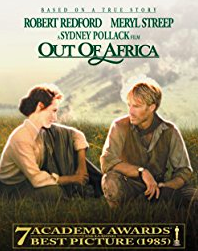 Out of Africa is that movie about Africa that everyone knows and adores. Romance, rolling plains, and lions — what’s not to love? We couldn’t help mentioning it, because, as clichéd as it is, it is one of our favorite movies about Africa. The scenery and landscapes are entrancing, and the breathtaking cinematography convinced us to get ourselves to the continent. If you want to get a glimpse into colonial times in East Africa, with a bit of romance and drama sprinkled in, then set aside a few hours for this classic. Before the movie came out in 1988, Kenya was a place for the rich and elite to go on safari. After this hit the screen, tourism in Kenya exploded.
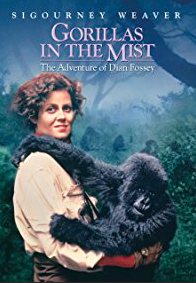 Did you know that there are only 800 mountain gorillas left in the world? Nowadays they are heavily protected in Uganda, Rwanda, and the Democratic Republic of the Congo. However, just a few decades ago there were no conservation efforts to help these mystical animals. But primatologist Diane Fossey spent 18 years of her life studying the social interactions of mountain gorilla families in the Virunga Mountains of Rwanda; without her efforts, it is a real possibility the animals would have been extinct today. This 1988 drama chronicles her life’s work — both her struggles and achievements — and her mysterious death. The film depicts just how deep a bond between animal and human can grow.
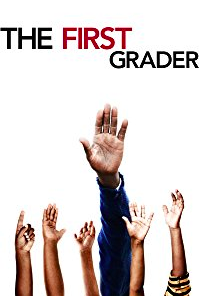 In 2003, Kenya made African history by offering free primary education to its citizens. Unlikely hero Kimani Maruge, who had never received an education during British colonial times, decided to go to school for the first time at the ripe old age of 84. The First Grader depicts how Maruge persevered and excelled in elementary school, and how determination truly has no age limit, thus putting the importance of education for all, especially in rural Africa, in front of an international audience.
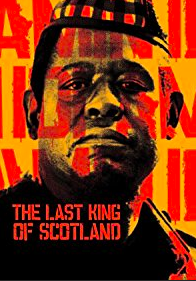 The Last King of Scotland is a must-watch before visiting Uganda. The ruthless Idi Amin became known for human rights abuses, corruption, torture, killing, and ethnic persecution during his brutal regime in the 1970s, causing an estimated 100,000-500,000 deaths, mostly Ugandans. The film’s name is taken from one of Amin’s self-proclaimed titles, the “King of Scotland.” It portrays Amin’s presidency through the eyes of his fictitious physician and conveys a sense of the political turmoil and hardship that the Ugandan people faced.
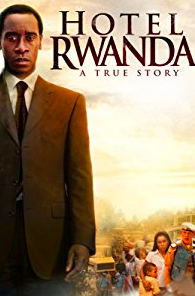 Most people have heard of the 1994 genocide that killed 500,000-1,000,000 Rwandans. During those dark days, Paul Rusembegi, the manager of the prominent Hôtel des Mille Collines in downtown Kigali, took in thousands of refugees, while making it look like the hotel was operating as usual. Although it was a tragic time in Rwanda, the movie at least has happy and uplifting points and showcases how strong the human spirit is. Of course, it’s not 100% factual, but it is a good jumping-off point for those who want to learn more about the Rwandan genocide. (We decided to visit the hotel when we were road-tripping through Rwanda earlier this year and were surprised to find that it is still one of the most beautiful and affluent hotels in Kigali.)
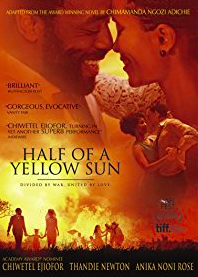 Based on the book of the same name, Half of a Yellow Sun follows two Nigerian sisters as their country’s civil car (also known as the Biafran War) breaks out in the late ’60s. Minute by minute, we watch as the sisters’ lives are decimated: family members die, others starve, and intellectuals become refugees in their own country. Although we haven’t been to Nigeria, the film and book do a great job of showing the atrocities of war, its effect on African women, the role of Western media and expats, and the results of colonialism.
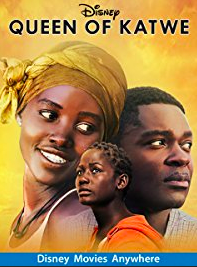 The Queen of Katwe is an inspirational real-life story about one young girl defying all odds. Phiona Mutesi is growing up in the slums of Uganda’s capital when she is introduced to the game of chess. With the help of her teachers and family, she goes on to be one of Uganda’s best female chess champions. The poverty her family endures and the constant struggles that so many face in Africa make this film a hard one to watch, especially after seeing it in real life.
 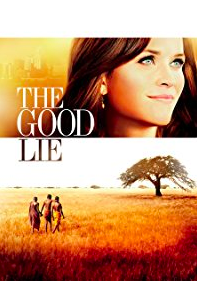 When we were in high school, there were two very tall African boys who looked just a tiny bit older than everyone else. We later learned that they were Sudanese refugees, or some of “The Lost Boys of Sudan,” the name given to over 20,000 boys of the Nuer and Dinka ethnic groups who were orphaned or displaced during the Sudanese civil war.A US government program allowed about 3,800 of these refugees to resettle in the United States. The Good Lie tells the story of three of these Lost Boys and their sister, whose lives are torn apart by a terrible war, and how they are relocated and integrated into American society.
 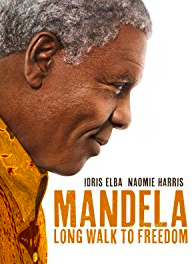 Based on of Mandela’s own autobiography, Long Walk to Freedom lends viewers a deeper understanding of the politics of South Africa. The movie does a great job at showcasing historical events, but still mixes in the drama and action to keep viewers entertained. During our three months in South Africa, we saw images of the anti-apartheid revolutionary everywhere. From statues and important buildings to street names and street art, you can truly see the impact of Mandela.